
Titania is in orbit as Britain's second ISTARI satellite, and ground sensors will watch for threats to it
The Ministry of Defence confirmed on Saturday that the British built satellite Titania, launched last month, is now in orbit. It will be operated by UK Space Command, while a separate trial places ground sensors in Britain, Australia and Cyprus to monitor activity in space.
Britain's second military satellite under the ISTARI programme is in orbit. The Ministry of Defence said on Saturday that Titania, which was launched last month, will be operated by UK Space Command and will improve the ability of the Armed Forces to observe military activity on Earth from space and to coordinate their work on and above the Earth.
Titania follows Tyche as the second satellite in the constellation. It weighs around 100 kilograms, which the ministry compares to the size of a washing machine, and it circles the Earth every ninety minutes at twenty seven thousand kilometres per hour. Parliament was told in September that ISTARI is developing a nationally separable constellation for intelligence, surveillance and reconnaissance, with supporting digital infrastructure, and that its demonstrator satellites operate in low Earth orbit.
The spacecraft was designed and built in Hampshire by a partnership of the Defence Science and Technology Laboratory and BAE Systems, under a contract worth 9.5 million pounds. Two further stages are named in the programme. Juno, being developed with SSTL, is the third satellite, and Oberon, being developed with Airbus Defence and Space, is the fourth system. The parliamentary answer put the expected launch year for both Juno and Oberon at 2028, and described Oberon as two satellites carrying radar sensors able to collect imagery through cloud, at night and in poor weather.
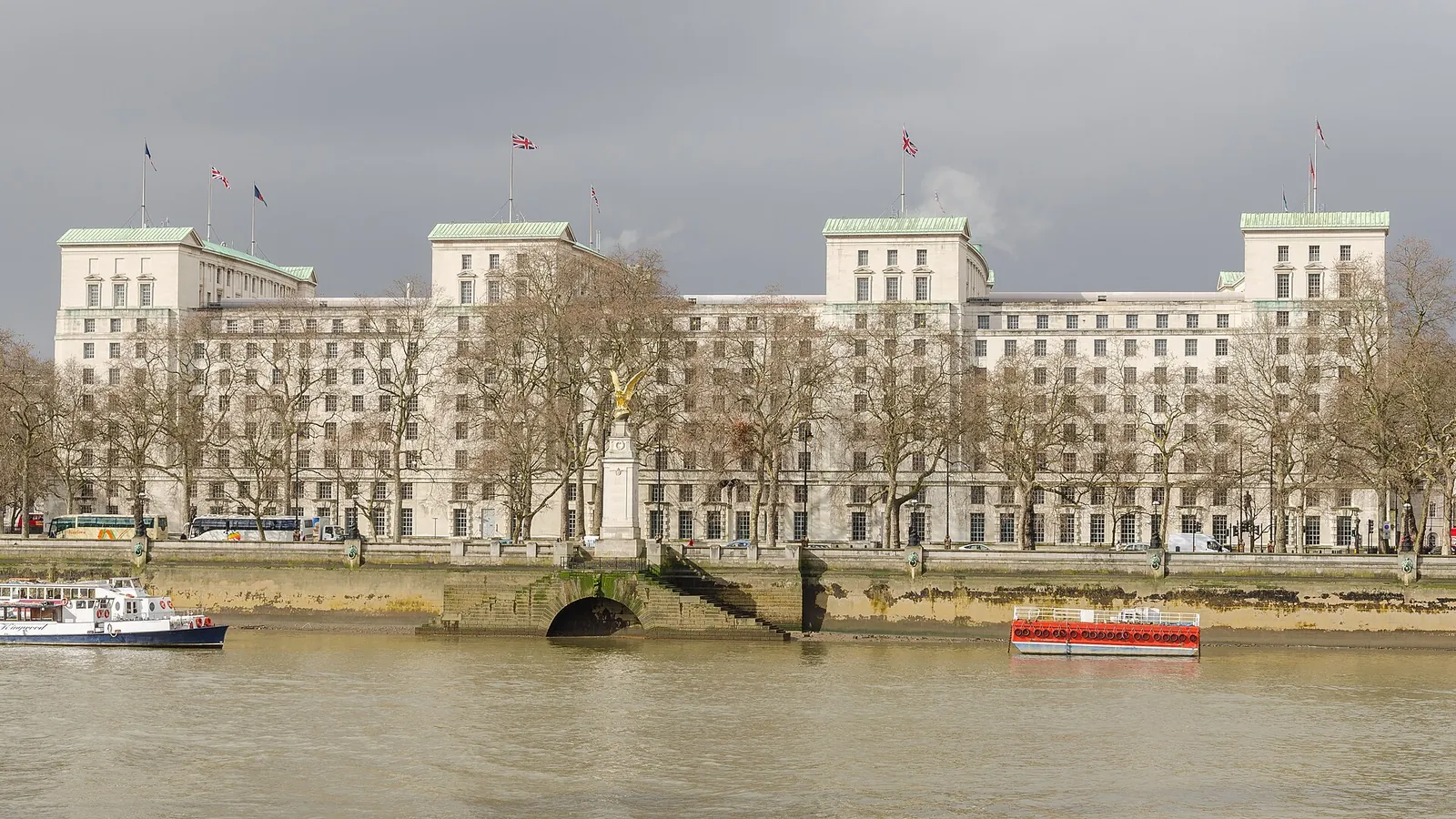
Having Titania now in orbit and Project Inaros stepping up how we watch over our satellites means we can see threats sooner, making the UK saferWes Streeting, Secretary of State for Defence
Wes Streeting, the Secretary of State for Defence, said: "The new space age is here. Space underpins everything from weather forecasts and financial transactions to sat-navs and mobile phone connections, and it is critical for our national security and military operations." He added: "Having Titania now in orbit and Project Inaros stepping up how we watch over our satellites means we can see threats sooner, making the UK safer."
Project Inaros is the ground based half of the announcement. It will trial three neuromorphic sensors, a technology the ministry says mimics biological processes by detecting changes in light, from sites in the United Kingdom, in Australia and at British facilities on Cyprus. The sensors were developed by Optera, described as a British Australian company, in partnership with the National Security Strategic Investment Fund, and the trial is intended to test whether the technology could become an early warning system for unusual or threatening activity near British satellites.
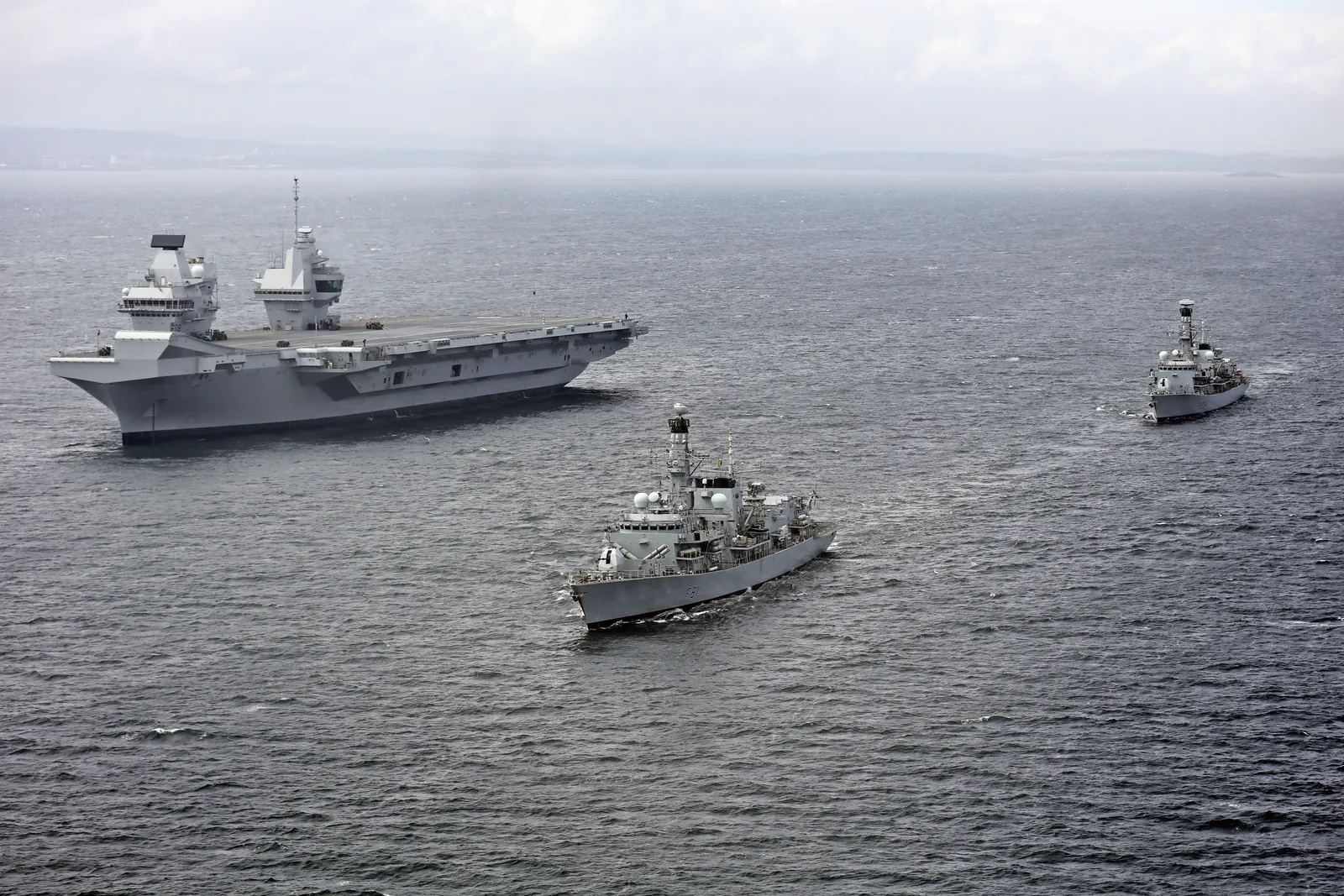
Information from Inaros is intended to help three UK Space Command units, No. 1 Space Operations Squadron, No. 2 Space Warning Squadron and the new No. 3 Space Effects Squadron, to safeguard the satellites that guide British ships, connect mobile phones and warn of missile attacks. Air Chief Marshal Sir Harv Smyth, the Chief of the Air Staff, argued that watching the Earth from orbit is, in his words, "critical to both national resilience and military advantage".
The ministry puts the wider work inside a larger settlement. Titania and Inaros form part of the 3 billion pounds committed by the Defence Investment Plan for space based capabilities, within total committed spending of 298 billion pounds over the next four years, and the ministry links the programme to the Strategic Defence Review, which treated space as a growing part of both national security and everyday life.
None to date. The Journal corrects errors promptly and transparently. Read our corrections policy.