Burnham sets a Makerfield Test for the EU deal and says Britain has lost more than it gained in a decade
In his Lord Mayor's Banquet speech on Monday evening, the Prime Minister said the proposed deal at Friday's UK-EU summit in Brussels must pass three tests, including real improvements in the everyday lives of the least well-off communities.
The Prime Minister, Andy Burnham, used his speech to the Lord Mayor's Banquet on Monday evening to set the terms on which he will judge the proposed deal at Friday's UK-EU summit, and to frame the whole of his Government's foreign policy around the voters of his own constituency. The instrument is new, and he named it himself: the Makerfield Test, a way of judging every policy by what it does for the least well-off communities, and whether it makes life there better or worse.
Makerfield, he told the Banquet, voted by a clear majority to leave the European Union, as did many deindustrialised communities. His argument was that the vote was a message to Westminster as much as to Brussels, and that the decade since has failed the places that sent it. On Brexit itself he was blunt: “we have lost more than we have gained in the last 10 years.” The hard Brexit Britain was given, he said, is not good enough, and the Office for Budget Responsibility puts the hit to the economy at 4 per cent, with others putting it as high as 8 per cent of GDP.
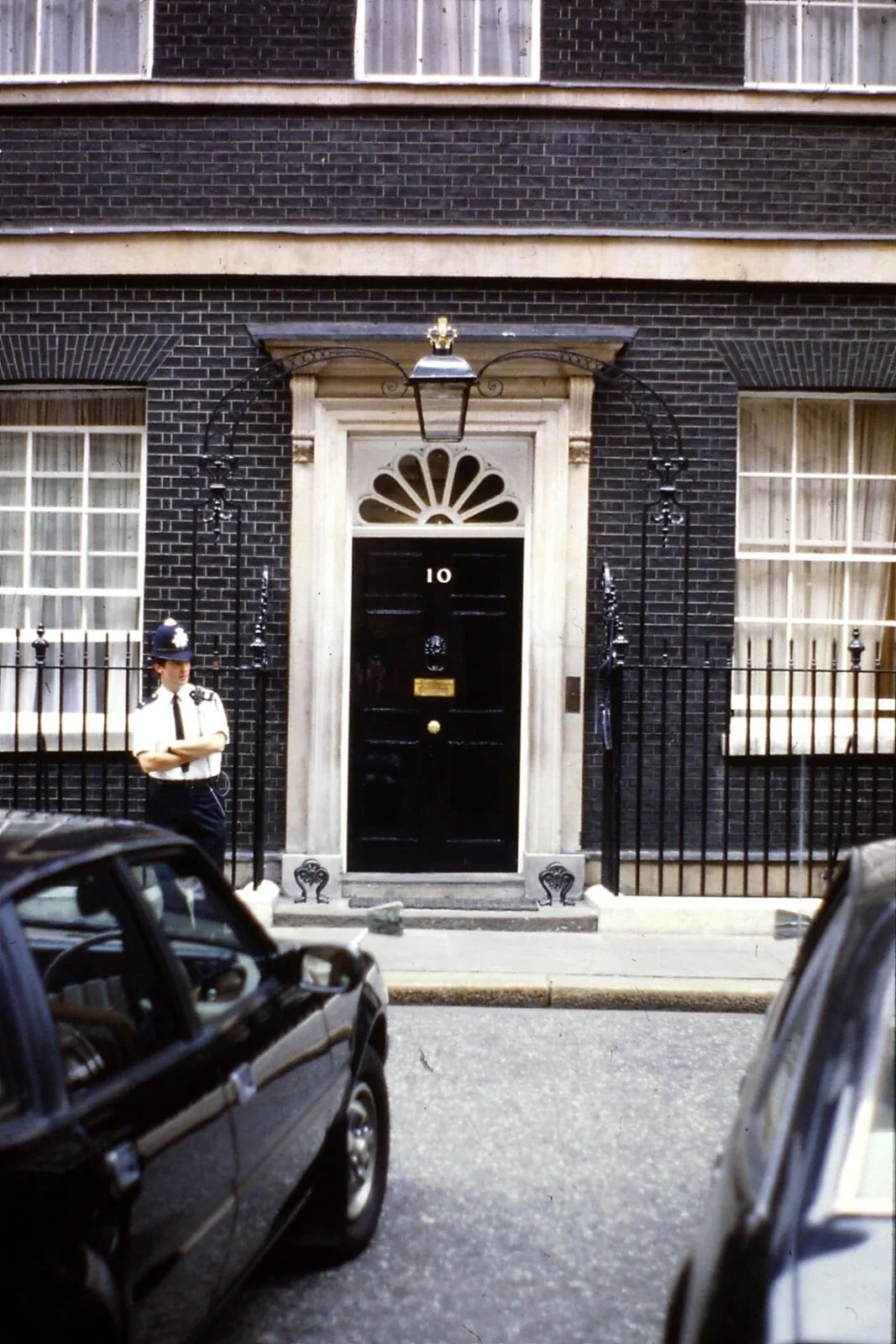
The immediate business is Brussels. The European External Action Service has confirmed the setting: Ursula von der Leyen, who leads the European Commission, and António Costa, who leads the European Council, will receive Burnham in Brussels on 20 November for the second EU-UK summit. The two sides will review what has been done since their first summit, in London in 2025, across security and defence, energy, food and farming rules, climate policy, links between people, and migration and law enforcement, and a joint declaration is expected at the end.
We have lost more than we have gained in the last 10 years. The hard Brexit we were given is not good enough for Britain.Andy Burnham, Prime Minister
For the deal on the table there, Burnham set three tests. It must be consistent with the Government's manifesto and red lines. It must improve the Brexit deal, bringing it closer to what people thought they were getting in 2016. And it must pass the Makerfield Test, producing real improvements in everyday lives in the parts of the country that have felt neglected for too long. The examples he gave were help with living costs and with the weekly shop bill, a point on which he said the head of M&S Food believes the deal will deliver, less red tape and cheaper doing of business, progress towards lower electricity bills, and closer work on illegal immigration and small boat crossings.
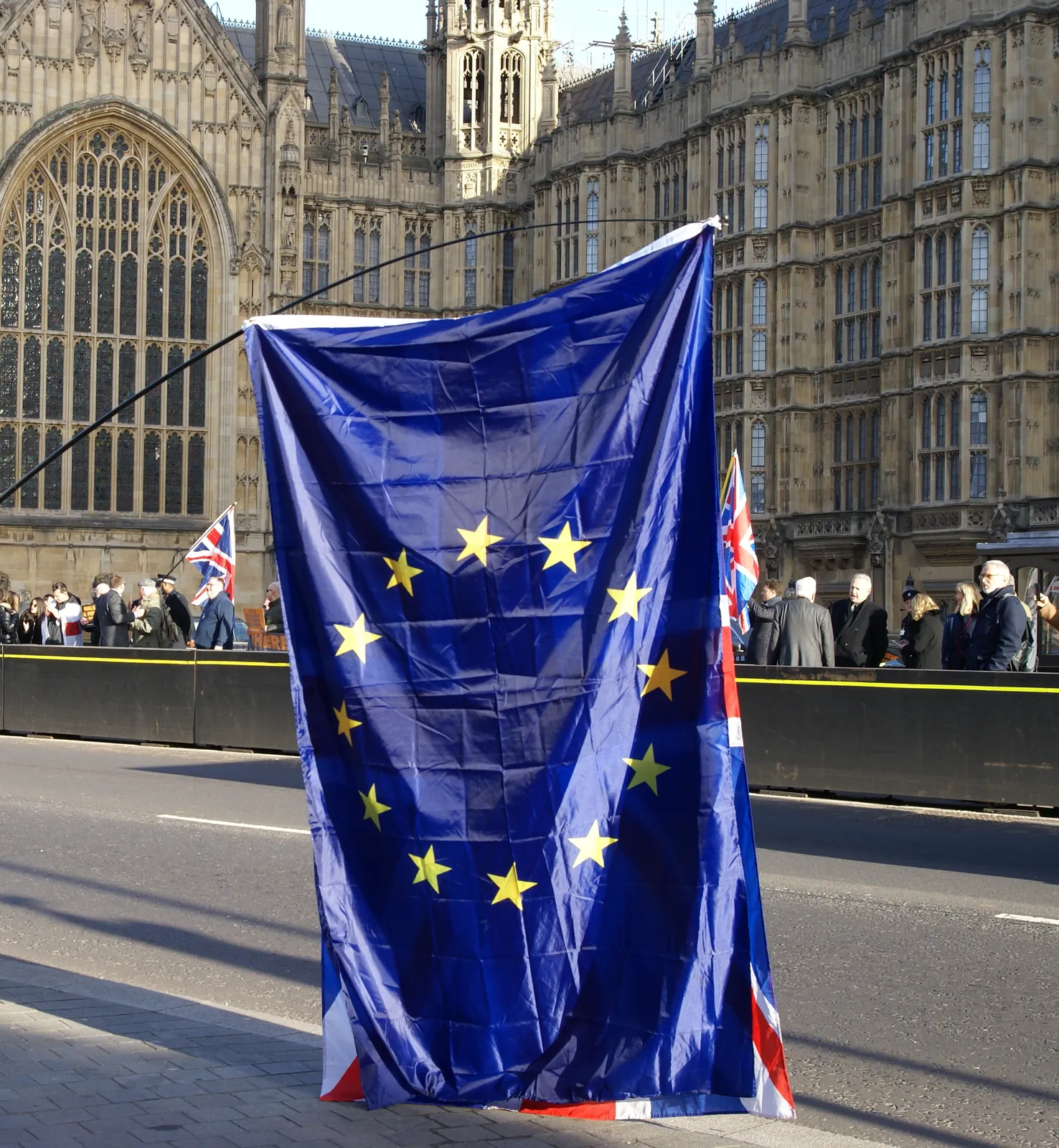
His conclusion was not hedged: “If the deal delivers all of this, and I believe it can, it will easily pass the Makerfield Test and I will agree it.” A deal, he said, could add up to 0.4 per cent to GDP, and Britain is not in a position to turn its back on it. Agreeing it would mean presenting legislation to Parliament next week, he said, and nothing would be done that crosses the Government's red lines this side of a General Election. After the summit, the Government will open a discussion with EU partners about options for the long-term relationship, and present those options, with its assessment, to inform decisions in the next Parliament.
The speech ranged well beyond Europe. Britain will take on the Presidency of the G20 next year, and Burnham said the Government will work towards new global guardrails on AI at next November's leaders' summit, under the name he gave it, the Manchester Compact on AI. On the Commonwealth, he said Britain will not pay reparations but will offer a structured dialogue over 2027 and start new work on debt and development finance. On Ukraine, the position was unchanged: support for as long as it takes, more pressure on Russia, and backing for the talks that began in Abu Dhabi last week.
At home, the Plan for Britain, to be published next month, was described as a 10 year roadmap and a circuit-breaker, paving the way for a transfer of power away from Westminster and Whitehall larger than any he said had been seen before. Foreign Secretary Ed Miliband was thanked for leading the reset of relationships. The speech is a statement of intent rather than a set of decisions: the decisions come on Friday in Brussels, and by the Prime Minister's own chosen measure, they will be judged first in Makerfield.
None to date. The Journal corrects errors promptly and transparently. Read our corrections policy.