Visitor Levy Bill would let mayors in England charge for overnight stays and keep the money locally
Mayors and local leaders could charge a percentage levy on overnight accommodation under the Bill introduced on Wednesday, with every pound raised staying in the area, a pledge from ten mayors to cap any levy at 5 per cent, and exemptions for student housing, care homes and shelters.
Overnight visitors to England's towns and cities could soon be charged a local levy on their stay, under legislation the Government describes as its most significant step yet in fiscal devolution. The Visitor Levy Bill, introduced in the House of Commons on Wednesday, would let mayors and other local leaders add a small charge to the cost of overnight accommodation and keep everything it raises for investment in their own area.
The charge is deliberately structured to fall more lightly on cheaper trips. By law it would be set as a percentage of the cost of accommodation rather than a flat fee, so a budget room pays less than a luxury suite. Ten mayors have committed that any levy in their areas would be no higher than 5 per cent. The rate itself would be a local decision, taken only after a published plan and consultation, which is the Government's answer to hospitality businesses that fear an open ended tax on holidays.
The Secretary of State for Housing, Communities and Local Government, Angela Rayner, said: "Every pound raised through these levies will stay in the local area." She said the proceeds could pay for transport improvements, stronger high streets and attractions that draw people back to an area, and that the choice to invest would rest with mayors and local leaders, with lower cost stays protected and businesses given their say.
Every pound raised through these levies will stay in the local areaAngela Rayner, Secretary of State for Housing, Communities and Local Government
No area could move straight to charging. An authority that wants a levy must first publish a draft plan and an impact assessment covering the proposed rate, any threshold and exemptions, how the money would be spent, and the expected effect on the local economy, businesses and visitors. It must then consult local people and businesses, secure the necessary agreement inside its strategic authority, publish the consultation responses and issue final versions of both documents. In foundation strategic authorities a levy could proceed only with unanimous support, and every authority running one would have to publish an annual report on what it raised and spent.
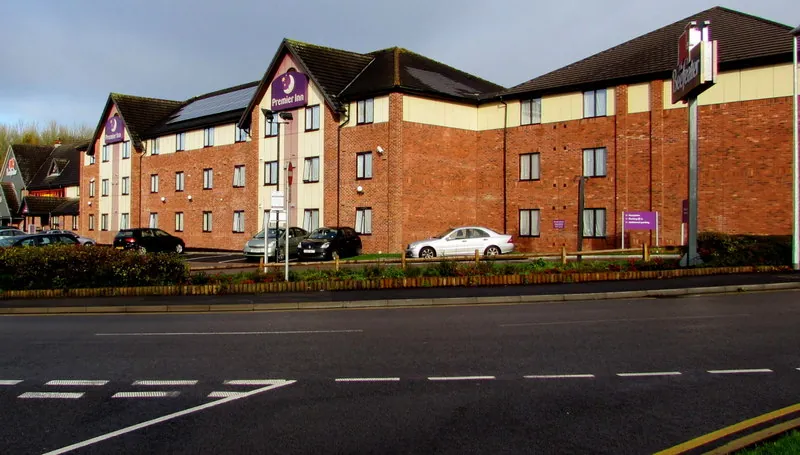
The scope of the charge is bounded in the Bill. It applies only to the first 28 consecutive days of a stay, after which accommodation counts as long term. National exemptions cover student accommodation, care homes, children's homes and school boarding houses, and temporary accommodation, shelters and refuges are not charged at all. Occasional hosts, such as people who let a spare room from time to time, would pay only if they earned above a set amount, and local leaders could adjust that threshold to their own tourism market or add limited local exemptions, for example for camping pitches. Hotels and other accommodation providers would be responsible for accounting for and paying the levy, with government guidance on registration and reporting promised.
The arithmetic behind those design choices was set out by ministers in Parliament last month. In a written answer on 29 October, the Government said the average family domestic holiday lasts 3.5 nights with an average accommodation cost of about 400 pounds, so a 1 per cent levy would add 4 pounds to such a trip and a 5 per cent levy 20 pounds. The precise impact, ministers said, would depend on the decisions each area takes, and local impact assessments are required for that reason.
The mayors who spoke for the Bill in the Government's announcement were emphatic about the visitor economies they already run. David Skaith, the Mayor of York and North Yorkshire, said his county welcomes more than 40 million visitors a year and that he will introduce a levy there. Steve Rotheram, the Mayor of the Liverpool City Region, put his region's visitor economy at more than 6.8 billion pounds a year supporting more than 55,000 jobs, and said a modest levy could raise up to 18 million pounds a year to reinvest. Sadiq Khan, the Mayor of London, welcomed the Bill after years of lobbying for such a power.
What the money is for is defined broadly: transport, high streets, public spaces including public toilets and parks, cultural events, security and destination promotion. Cultural leaders quoted in the announcement made the same connection from their side, arguing that museums, galleries and venues draw the visitors whose overnight stays would fund their upkeep. The Department points to the scale of the market: 40 million inbound visits to the UK last year, with visitors spending 35 billion pounds over 293 million nights, alongside 89.6 million overnight trips by British residents spending 27.3 billion pounds.
None to date. The Journal corrects errors promptly and transparently. Read our corrections policy.