Energy Independence Bill would scrap gas standing charges and end new North Sea exploration licences
The Bill introduced at Westminster on Wednesday pairs consumer measures, including an end to the daily gas standing charge and tougher powers for Ofgem, with community stakes in new renewable projects and a licensing settlement that keeps existing North Sea fields producing.
A single Bill now carries most of the Government's energy programme. The Energy Independence Bill, introduced in the House of Commons on Wednesday, reaches from household gas bills to North Sea licensing, taking in the energy regulator, landlords, grid connections and the ownership of new renewable projects along the way. It builds on the measures announced in last week's Budget.
Its most direct household promise concerns standing charges, the daily fee added to a gas bill whether or not any gas is used. Ministers intend to amend the Bill as it passes through Parliament so that the charge on household gas bills is scrapped. The Government says about 23 million households would gain greater control over their costs, and that around 60 per cent of gas account holders are expected to save an average of 45 pounds a year. Those are official estimates of a change still to be legislated, not savings already delivered.
A second billing change concerns the Renewables Obligation. Moving 75 per cent of the domestic costs of that scheme from bills to general taxation has, on the Government's figures, already taken around 90 pounds a year off the average household bill, but the powers behind the move currently need renewing every six months. The Bill would give the arrangement a lasting legal footing through to March 2029, with powers to require suppliers to pass the saving on, including to customers on fixed deals. The same package follows a Budget that promised a 100 pound energy payment for up to 20 million households in England this winter.
Today is a first downpayment on fixing a broken system, protecting consumers from unfair costs and putting the public back in controlMiatta Fahnbulleh, Energy Secretary
The Energy Secretary, Miatta Fahnbulleh, said: "Today is a first downpayment on fixing a broken system, protecting consumers from unfair costs and putting the public back in control." She said the Bill would build a clean energy future that people feel in their pockets, households and communities, with support reaching those who need it most.
Consumer protection is strengthened in several places at once. Ofgem would gain stronger duties, a wider remit and faster enforcement powers, including over redress when households and businesses are let down and over the bonuses of company bosses found at fault. Energy brokers and price comparison services, at present outside that regulatory net, would be brought under Ofgem, which could order compensation, impose fines and ban rogue operators. The Government estimates that tackling mis-selling and hidden commissions in that market could save businesses around 100 million pounds a year.
Renters are covered through energy efficiency enforcement. Local authorities would gain stronger powers against landlords whose properties fail minimum standards, including a maximum civil penalty of 30,000 pounds for breaches of the domestic rules, supporting the move to an Energy Performance Certificate rating of C from 1 October 2030, which ministers expect to cut bills in upgraded homes by around 210 pounds a year. The Bill also establishes the Warm Homes Agency in law, extends the Government's smart meter powers to 2033 and would allow batteries to be required to have smart capabilities.
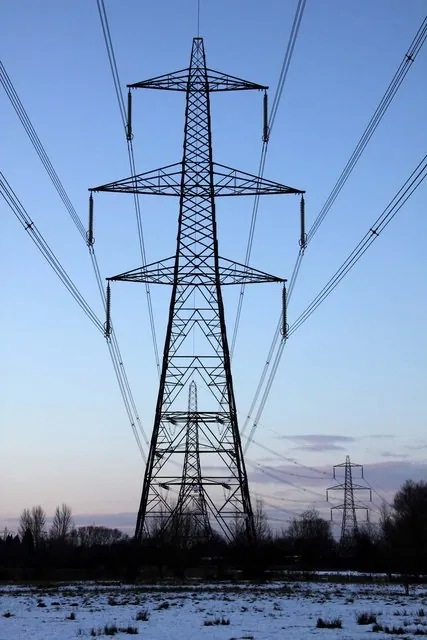
Communities hosting new generation would gain rights as well as obligations. Ministers could require operators of new onshore wind and ground mounted solar projects above 5 megawatts to enter legally binding benefit agreements with local community groups, and developers would have to offer communities up to a 20 per cent stake in new renewable projects. On the grid, the Bill modernises consent and land access processes for essential works, and a promised amendment would establish the publicly owned Great British Grid in law.
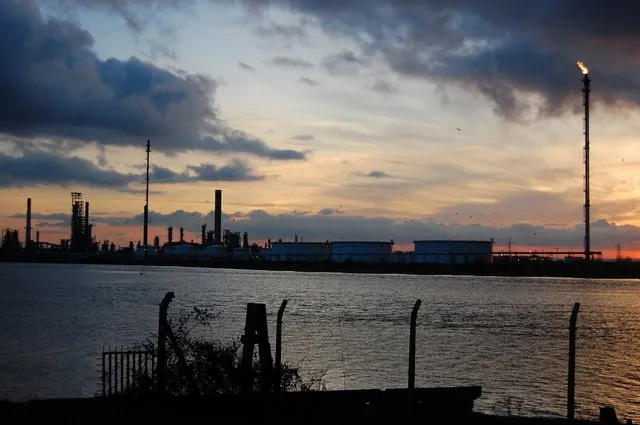
In the North Sea, the Bill writes the Government's stated position into statute. No new licences would be issued to explore new offshore fields, and onshore licensing in England would end too, closing off licences under which shale gas could have been fracked. Production from areas that are already licensed continues. New Transitional Energy Certificates would allow further production from already explored areas, including through existing infrastructure, which ministers say might release some 60 million barrels of oil while sustaining employment in the hundreds, backed by the 2 billion pound Energy Wealth Fund and a North Sea Jobs Service.
The Prime Minister, Andy Burnham, said: "Together, these changes will bring bills down for good, give families greater security and put Britain back in control of its energy future." The Bill was introduced on Wednesday and has further parliamentary stages to pass before any of its provisions can become law.
None to date. The Journal corrects errors promptly and transparently. Read our corrections policy.