
Concern about cyber attacks and AI reaches a record among businesses watching their supply chains
One in five larger businesses now fears cyber attacks disrupting its supply chain over the coming year, and concern about AI has more than doubled in a month, the Office for National Statistics has found, while worries about energy and fuel prices remain widespread.
British businesses have never been more worried about two of the risks on their supply chain list. In October 2026, 21 per cent of businesses with ten or more employees told the Office for National Statistics that they were concerned about cyber attacks affecting their supply chains over the next twelve months, and 12 per cent said they were concerned about AI. Both figures are the highest since the question was first asked in September 2024, according to the latest Business Insights and Conditions Survey, published on Thursday.
The movement on both measures was sharp. Concern about cyber attacks rose by five percentage points from September 2026, and by nine points from September 2025. Concern about AI rose by seven percentage points in a single month, from 5 per cent in September. The survey does not ask firms to separate fear of what the technology might do to their own operations from fear of disruption among their suppliers, but the direction is unmistakable: the two technology risks are climbing faster than any other on the list.
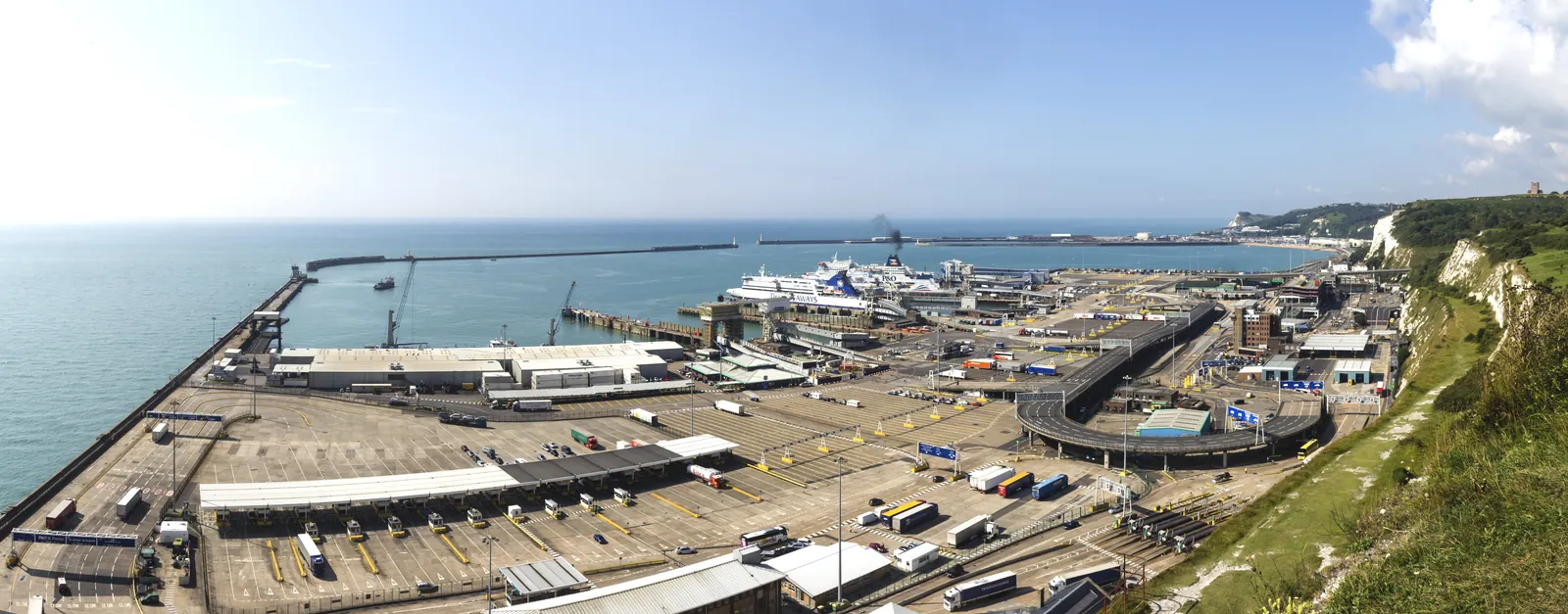
The older risks have not gone away. International conflict was the most cited concern, named by 31 per cent of businesses with ten or more employees, with shipping disruption named by 21 per cent. Both proportions were broadly unchanged from September but stood twenty and thirteen percentage points higher respectively than in September 2025. Increased barriers to trade concerned 15 per cent, and climate change 12 per cent. Just over a third of larger businesses, 36 per cent, said they were not concerned about any of the listed factors, a share that has fallen from 57 per cent when the question was introduced.
Both figures are the highest since the question was first asked in September 2024Daily Herald, reporting Office for National Statistics figures
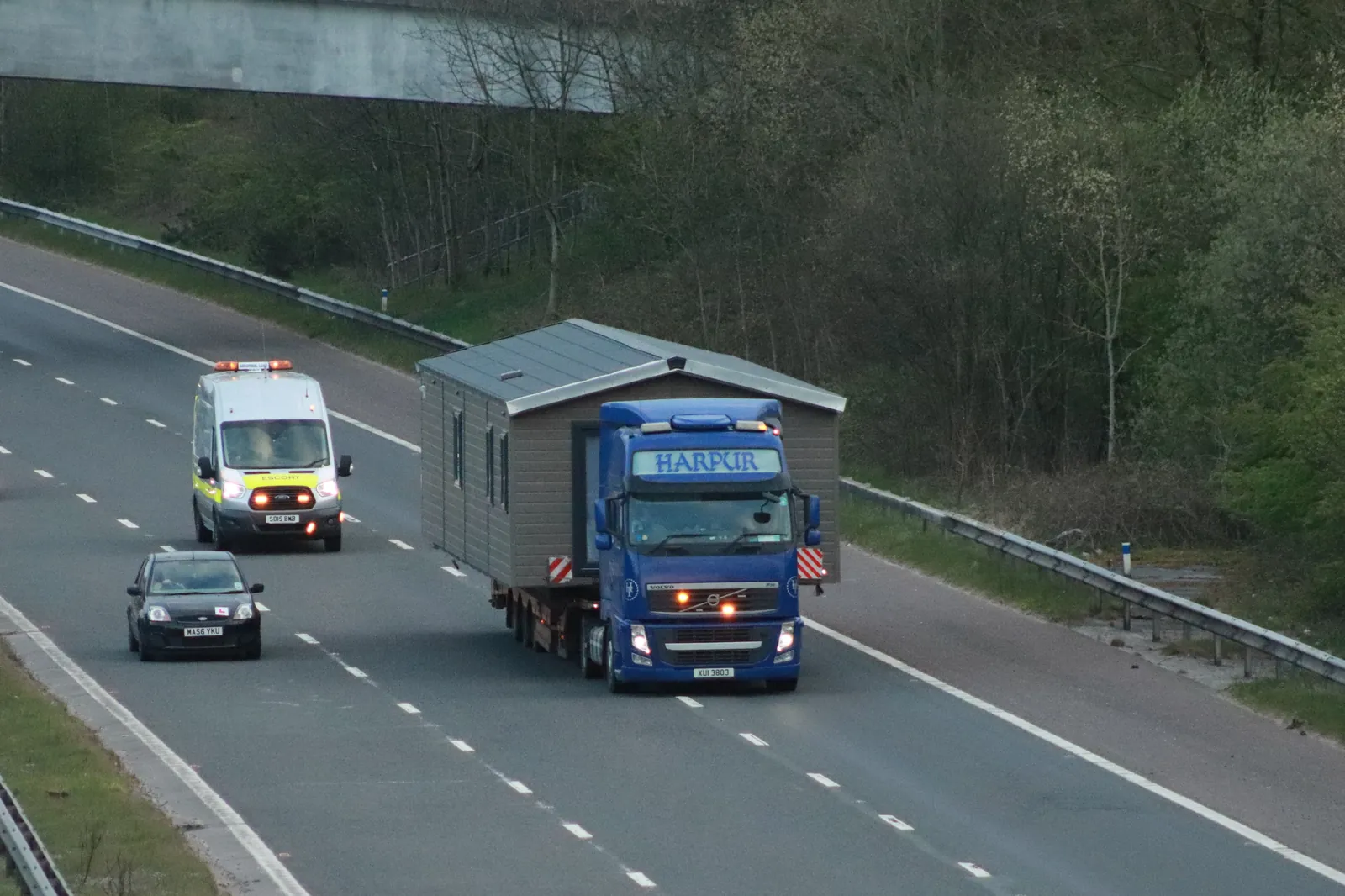
Firms that expect to be hit expect to pay for it. Among businesses with ten or more employees that reported supply chain concerns, 64 per cent expected the cost of sourcing materials to be affected, up nine percentage points from September, and 60 per cent expected transportation costs to be affected, also up nine points in a month and twenty seven points above September 2025.
Energy remains the most widespread anxiety of all. Almost seven in ten businesses, 69 per cent, expressed some degree of concern about energy prices in late October, rising to 77 per cent among businesses with ten or more employees, and the overall figure was six percentage points higher than in August. Concern about fuel prices stood at 70 per cent of all businesses and 76 per cent of larger ones, up eight points since August, though both measures were broadly stable over October itself.
Trade is costing more for those who do it. In late September, 21 per cent of trading businesses with ten or more employees had exported goods, services or both in the previous twelve months. Of those exporters, 40 per cent said their exporting costs had risen in September compared with a year earlier, broadly unchanged since June but close to the highest proportion recorded since June 2023, when it stood at 43 per cent.
The figures come from wave 167 of the survey, which ran from 19 October to 1 November 2026 and drew 9,628 responses from a sample of 38,542 businesses, a response rate of 25 per cent. The survey is voluntary, and the Office for National Statistics badges the results as official statistics in development and advises caution in using them, noting that respondents may not have full oversight of their business's expectations. It found 95 per cent of businesses trading in late October, 86 per cent of them fully and 9 per cent partially, with 3 per cent paused and 2 per cent having permanently ceased trading.
None to date. The Journal corrects errors promptly and transparently. Read our corrections policy.