RWE and KKR reach financial close on a 12 billion pound investment in two Norfolk offshore wind farms
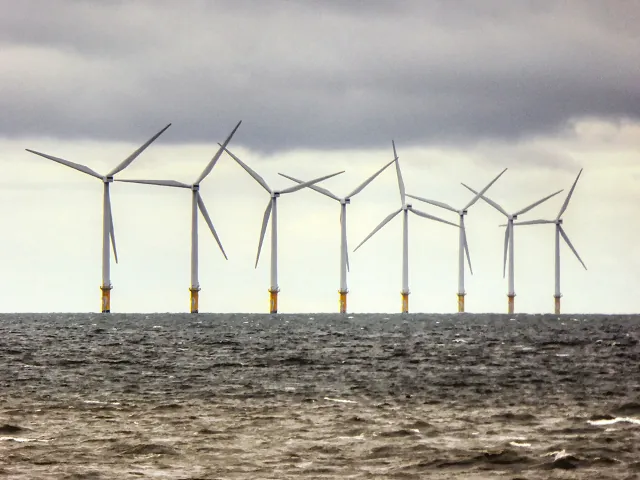
Financial close has been reached for Vanguard West and Vanguard East, two wind farms 50 to 80 kilometres off the Norfolk coast with a combined capacity of about 2.8 gigawatts, in a package the companies describe as the largest project financing yet seen in British offshore wind, with 1 billion pounds committed by the National Wealth Fund.
Two offshore wind farms off the Norfolk coast have cleared their final financing hurdle, in a commitment of around £12 billion that the Government says is the largest investment of its kind in British renewables to date. RWE and the investment firm KKR confirmed on Wednesday that financial close had been reached for Vanguard West and Vanguard East, and that the joint venture between them, first announced in January, had been completed.
The two projects sit between 50 and 80 kilometres out in the North Sea, each rated at 1.4 gigawatts, giving a combined capacity of about 2.8 gigawatts. The companies say that output, once the farms are running, would be enough to meet the needs of roughly three million homes. Ministers put the employment effect at more than 2,400 jobs across building and operating the farms.
The money is assembled in layers. Both partners are putting in equity, with KKR taking a half share in each project company to form a 50:50 venture, and RWE taking charge of delivery for the partnership. Behind the equity sits a non-recourse financing raised from 35 international banks, made up of £11.1 billion in cash facilities and a further £1.7 billion in ancillary facilities, a structure the developers describe as the biggest project financing the British offshore wind sector has seen.
With a combined capacity of 2.8 gigawatts, the projects will strengthen domestic electricity generation and make an important contribution to a resilient energy system, energy security and affordability.Markus Krebber, chief executive of RWE, 11 November 2026
Public money sits inside the package rather than alongside it. The National Wealth Fund, the state owned policy bank, has committed £1 billion, its biggest offshore wind commitment so far and the first time it, or Euler Hermes, has taken part in financing a British offshore wind project, while credit cover comes from Euler Hermes in Germany and EIFO in Denmark. The Prime Minister, Andy Burnham, presenting the deal as he left for the COP31 summit in Türkiye, argued that public investment alongside private capital would build home grown energy and return money to the taxpayer.
The revenue side of the projects was settled earlier this year. In January, under Allocation Round 7 of the Contracts for Difference scheme, each farm won a 20 year contract, indexed to inflation, priced at £91.20 for each megawatt hour in 2024 prices. That long term price certainty is what allowed lenders to commit at this scale.
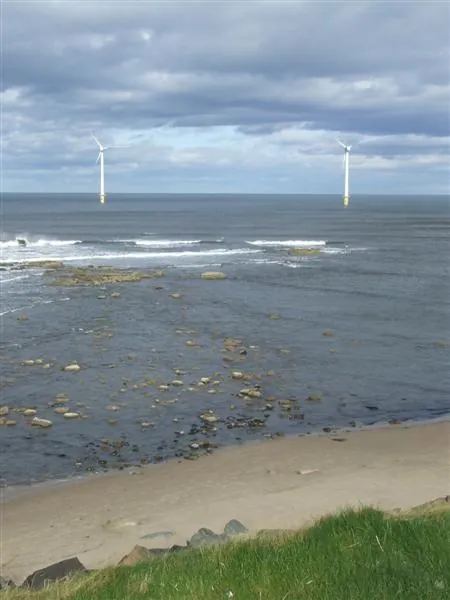
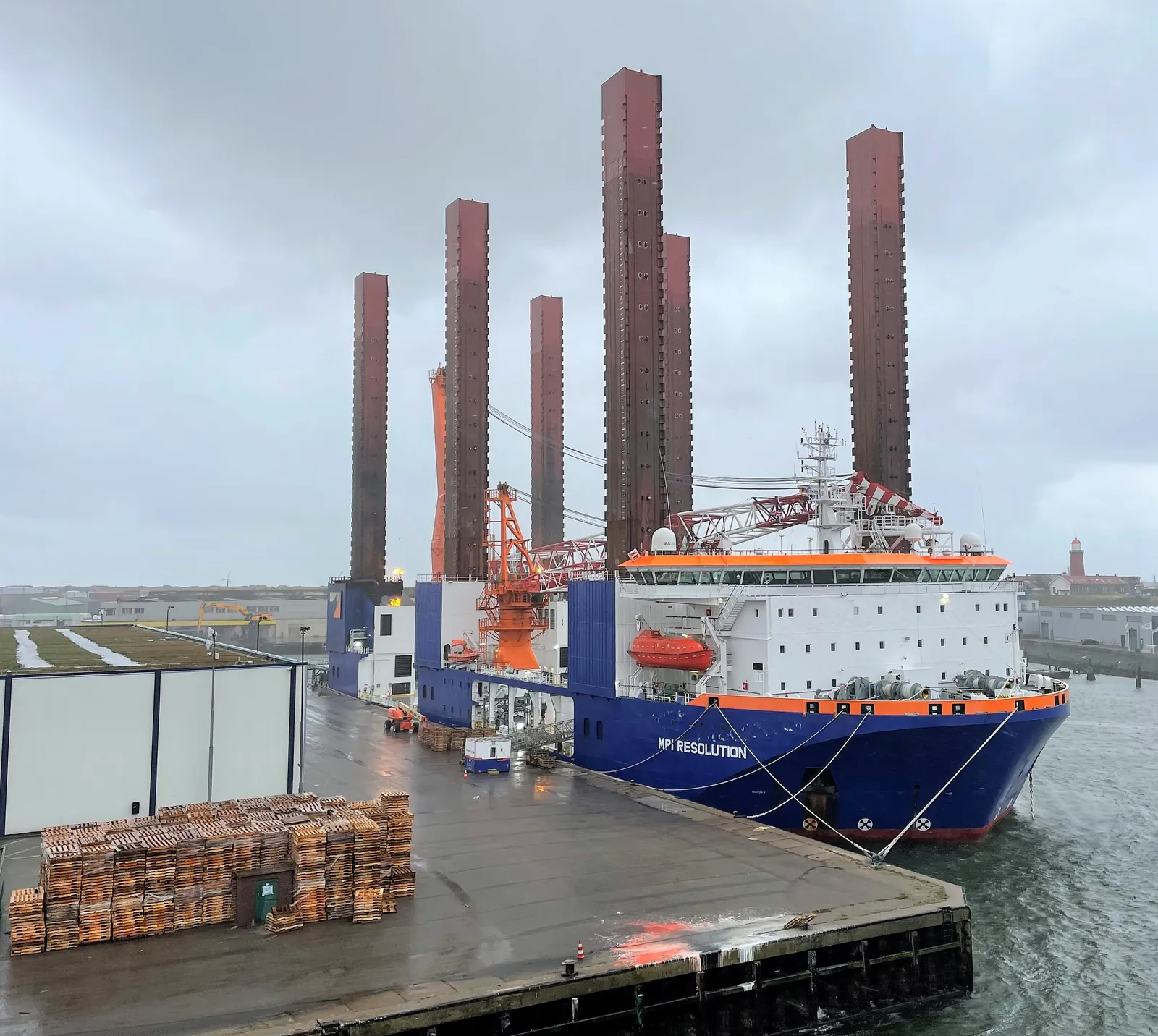
Work on land is furthest along. The companies say the onshore cable routes and substation construction are well advanced, with work at sea due to start early in 2027 and the first foundations for Vanguard West planned for the first half of that year, followed by its sister project. Both farms are expected to be fully commissioned in 2030.
The announcement also carried a second, Scottish project. SSE said the latest phase of its Berwick Bank development off the east coast of Scotland, Berwick Bank B, will support 2,677 skilled roles spread between Scotland and northern England, after it contracted Siemens Energy to make turbines and substation platforms, including 130 new project delivery posts in Glasgow and Montrose. At full capacity, ministers say, Berwick Bank could meet more than 6 per cent of current British electricity demand.
None to date. The Journal corrects errors promptly and transparently. Read our corrections policy.