More than three million leaseholders in England to gain stronger rights over service charges from April 2027
From 1 April 2027 leaseholders will be able to demand information about their service charges, including for previous years, and will gain protection against paying a landlord's legal costs when they challenge a charge, with standardised demands and accounts following in November 2027 and, for councils and housing associations, November 2028.
Flat owners who have long complained that they cannot see what their service charge pays for are to gain a legal right to the underlying information. The Government says more than three million leaseholders in England will benefit, starting on 1 April 2027, when leaseholders will be able to demand information about their charges and landlords will need a good reason to refuse.
The information right reaches backwards as well as forwards. Leaseholders will be able to ask for information from previous years, covering how their building is managed, maintained, repaired and insured, rather than being limited to the bill in front of them.
The second change taking effect on the same date concerns legal costs. Landlords will need court or tribunal approval to pass on their legal costs to leaseholders who challenge a charge, and leaseholders will gain a new right to recover their own legal expenses. The Government presents the change as removing a barrier under which a leaseholder could face a bill for challenging a charge whether they won or lost.
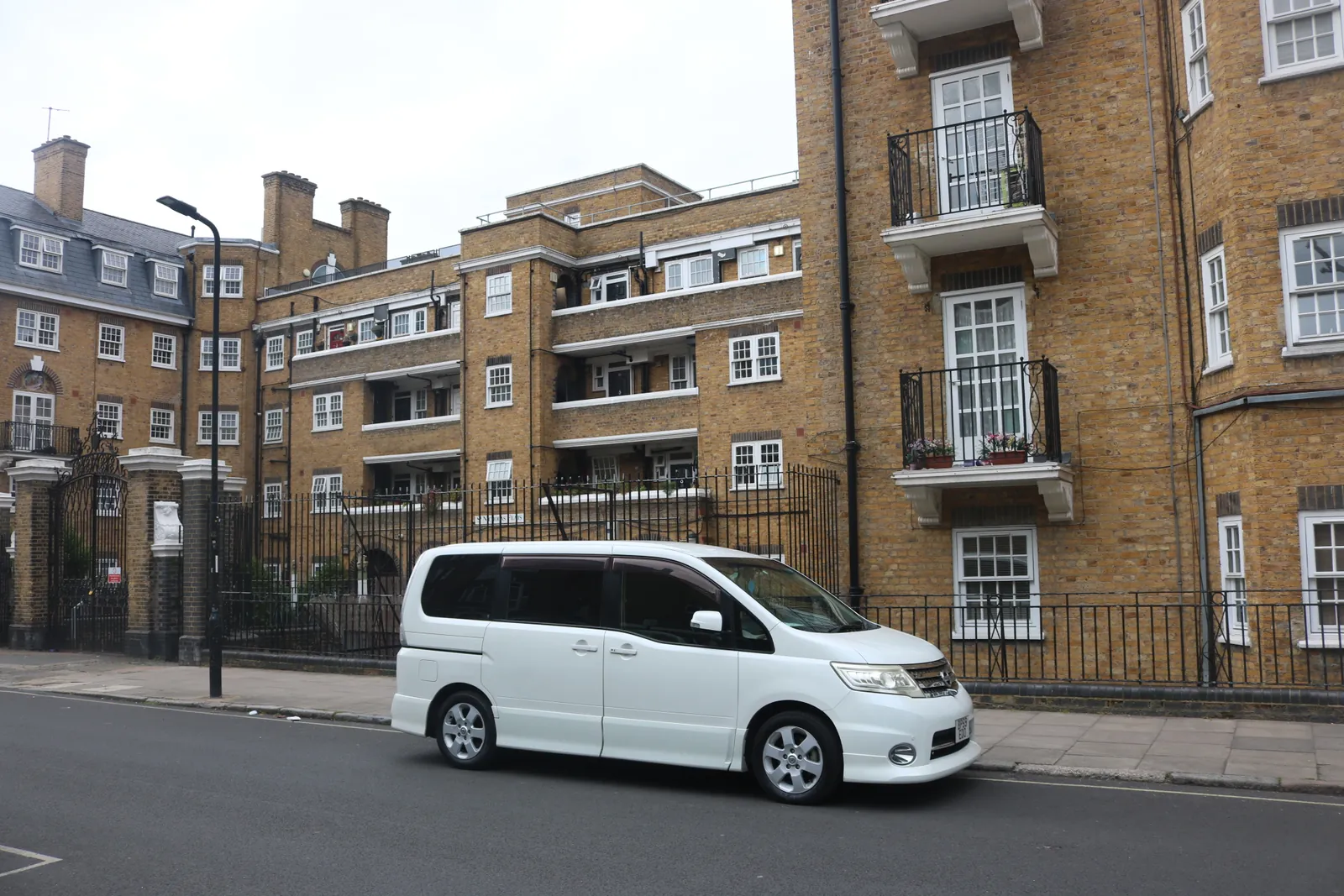
Leaseholders will be able to ask for information from previous years, and landlords will need a good reason to refuse.Daily Herald
The Prime Minister, Andy Burnham, said: "It is simply wrong that millions of leaseholders can be hit with unfair charges, then face another bill just for challenging them. That isn’t right, and where we can act quickly to change it, we will." The Housing Minister, Matthew Pennycook, said: "Today, we’re acting to protect them by introducing regulations that will improve the fairness and transparency of service charges so that unreasonable increases can be more easily challenged."
A second stage follows on 1 November 2027, when leaseholders are to receive clearer information automatically, whether their building is owned by a private landlord, a council or a housing association. That stage includes detailed information about building insurance, stronger protection against excessive fees for arranging and managing that insurance, and clearly set out information on administration fees. Private landlords will also have to demand charges on a standard form and supply financial accounts together with a report each year.
Councils and housing associations get a further year for that last step. From 1 November 2028 they too must use the standard demand form and publish accounts and a yearly report, a delay the Government attributes to the complexity of their accounting and service charge systems. Kion Ahadi, who leads the Leasehold Advisory Service, said service charges were, in his words, "the most common issue leaseholders contact us about".
The timetable rests on two sets of instruments. Commencement regulations made on 25 October 2026 bring the service charge, insurance, administration charge and litigation cost provisions of the Leasehold and Freehold Reform Act 2024 into force in stages, on 6 November 2026 for regulation making purposes and then on 1 April 2027, 1 November 2027 and 1 November 2028. The Government says five sets of regulations laid in Parliament on 12 November 2026 put the detailed rules in place, subject to parliamentary approval, with one further set on litigation costs to follow before the end of 2026. A separate Commonhold and Leasehold Reform Bill, due before Christmas 2026, is planned to overhaul flat ownership more widely, including capping existing ground rents at 250 pounds.
None to date. The Journal corrects errors promptly and transparently. Read our corrections policy.