Businesses face supply chain checks on seven forest risk commodities under a deforestation consultation for Great Britain
The Government opened a consultation on Wednesday on due diligence rules for businesses in Great Britain using coffee, cocoa, cattle, soy, oil palm, rubber and timber, with responses due by 17 January 2027 and a separate European regime starting to apply in Northern Ireland from 30 December 2026.
Companies selling everyday goods in Great Britain could soon have to check where seven commodities in their supply chains came from, under Government proposals put out to consultation on Wednesday. The Department for Environment, Food and Rural Affairs is asking how due diligence duties should apply to businesses that use coffee, cocoa, cattle, soy, oil palm, rubber and timber, or products made from them, in their commercial activity.
The point of the exercise is legality. Ministers want a framework, described in the consultation as robust and proportionate, under which firms identify, assess and deal with the risk that the commodities they handle were produced on land cleared in breach of local law overseas. The consultation also asks which products and which sizes of business should fall inside the rules, what an effective checking system looks like, and what the duties would cost.
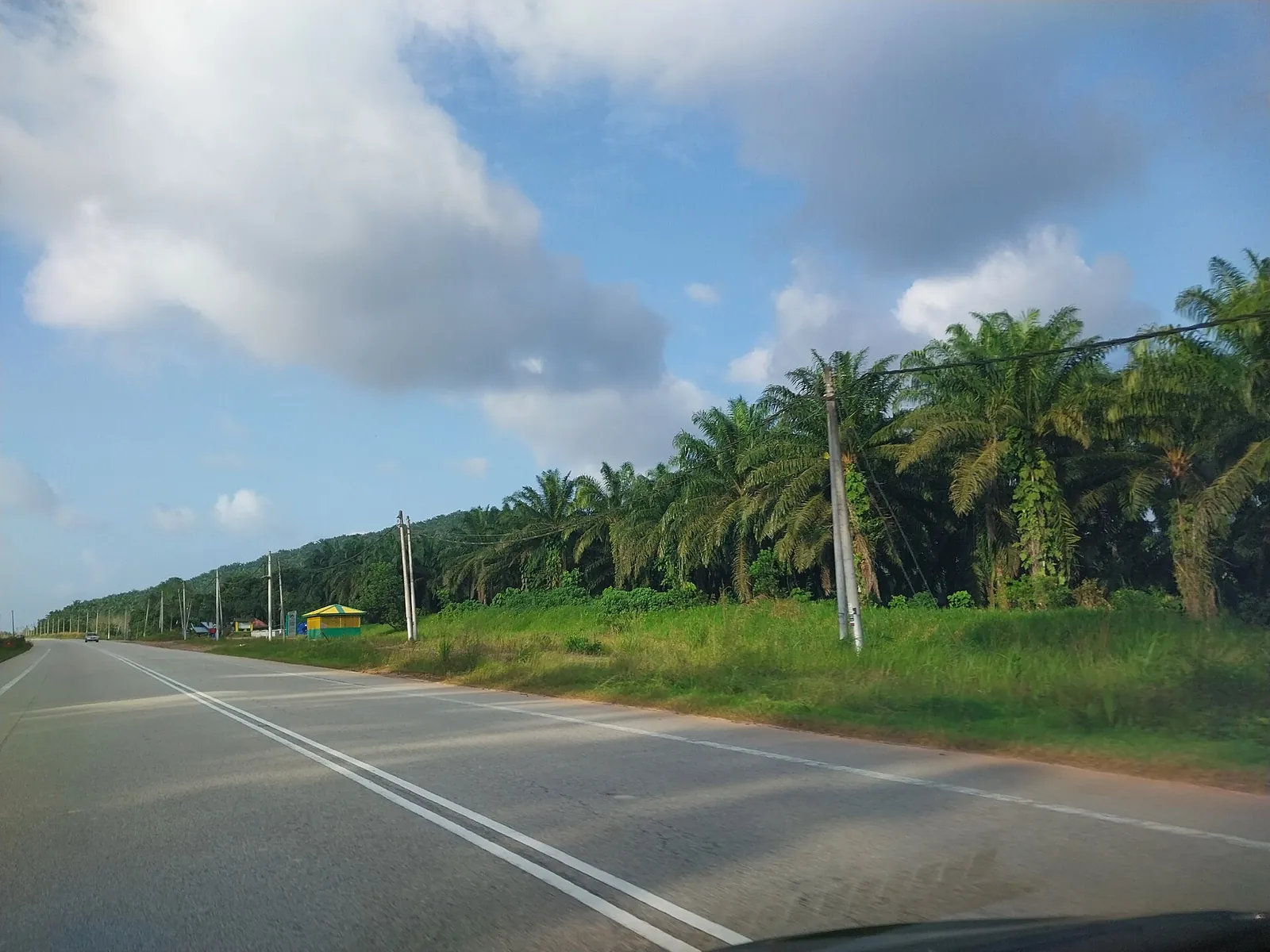
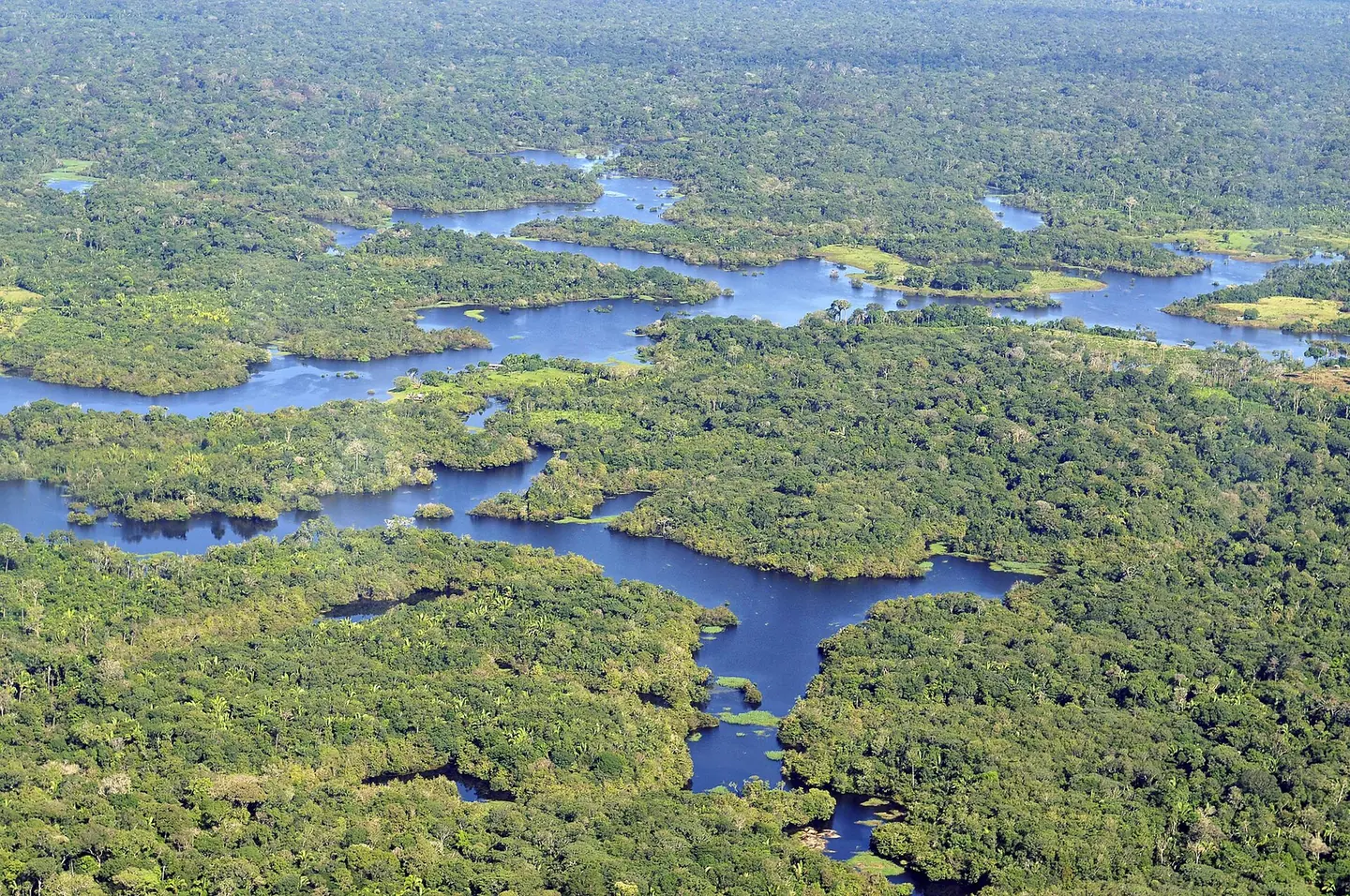
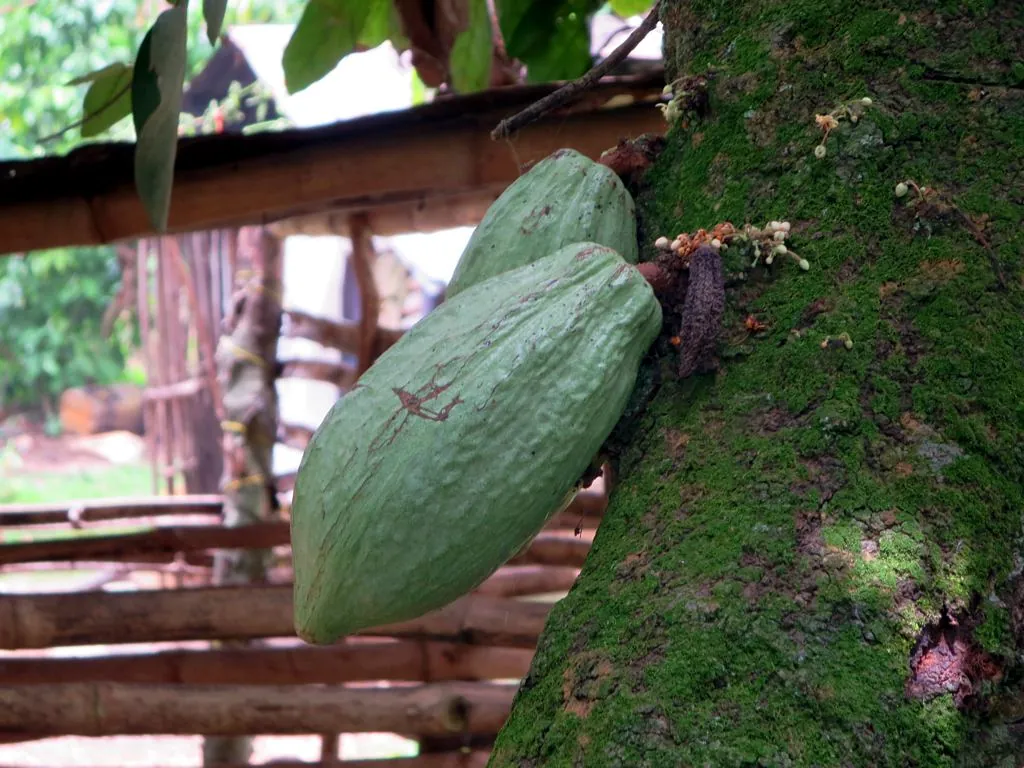
The case ministers make starts with British consumption. The department says goods linked to deforestation that Britain consumed in 2023 were associated with about 29,000 hectares of forest loss worldwide, an area it puts at roughly one and a half times the size of Manchester, and with 9.4 million tonnes of carbon emissions. Soy and palm oil, it notes, turn up in products from chocolate and cooking oils to toiletries and cosmetics, and land can be seized or cleared unlawfully to grow them.
British consumers want to feel confident that the everyday goods they buy are not driving devastating illegal deforestation abroad, and so we are stepping in to give them that certainty.Dame Angela Eagle, Environment Secretary, 11 November 2026
The powers already exist. The proposals rest on duties that could be imposed under the Environment Act 2021, alongside steps to strengthen the separate UK Timber Regulation, and the department says major retailers have pressed for tighter rules while some businesses have already been checking their chains voluntarily. The announcement was timed to a leaders event on forests at the COP31 conference in Antalya, attended by the Foreign Secretary.
Northern Ireland will run on a different track. To protect its access to both the British internal market and the European single market, the European Union regulation on deforestation free products begins to apply there in phases from 30 December 2026, and firms are being urged to prepare their supply chains ahead of that date. Ministers say the Great Britain regime is being designed to sit alongside the Northern Ireland one, so that burdens on business and barriers inside the British market are kept down.
The consultation is open to businesses, environmental organisations and international respondents, and answers can be sent through the department consultation site or by email to its deforestation consultation address. It closes at 23:59 on 17 January 2027, after which the department will publish a summary of what it received and use the answers to settle the regulations. Over time, the Government says, it wants to move beyond legality towards a standard under which supply chains are free of deforestation altogether.
None to date. The Journal corrects errors promptly and transparently. Read our corrections policy.