How Westminster governs
A reader's guide to the two Houses, the Government, and how laws are made.
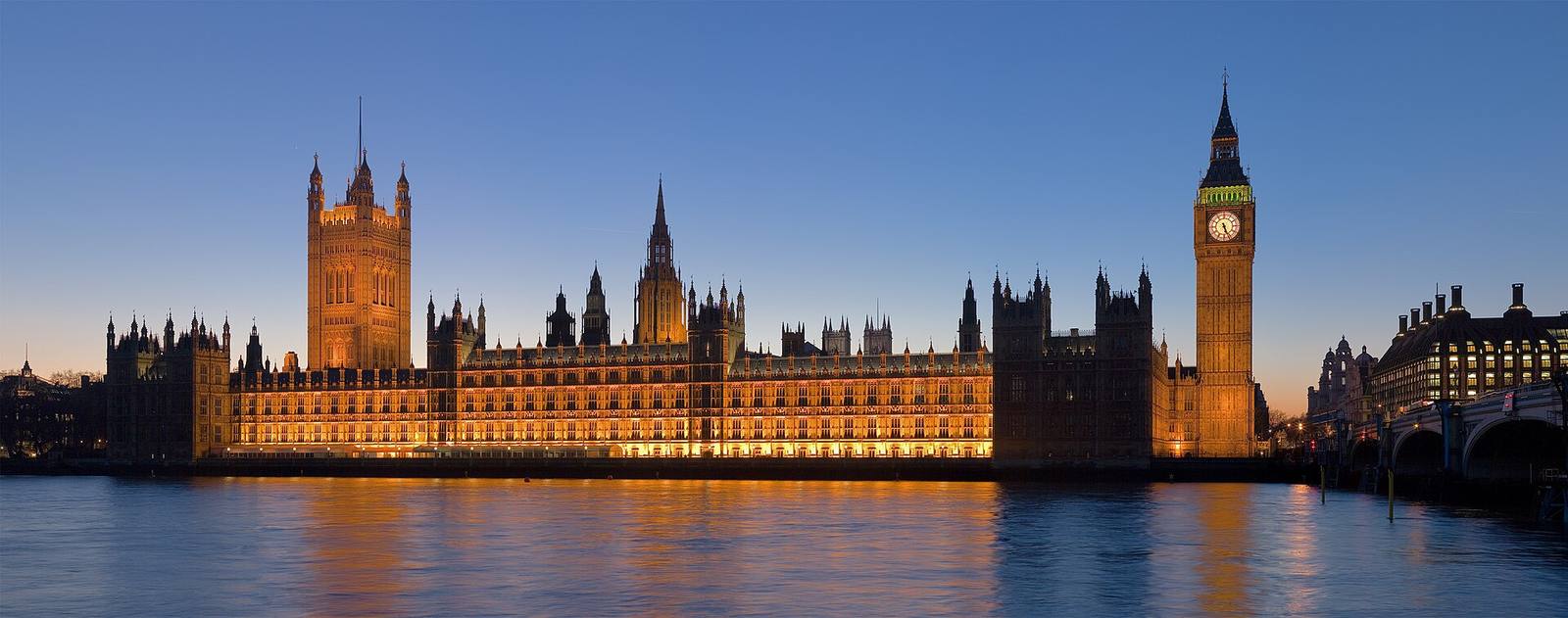
Westminster is both a place and an idea. The palace on the Thames is the seat of Parliament, and Parliament is the sovereign legislature of the United Kingdom: no higher lawmaking authority exists within these islands.
Parliament has two Houses. The House of Commons is the elected chamber, with 650 Members of Parliament, each chosen to represent a single constituency in a general election. The party that can command a majority in the Commons forms the Government.
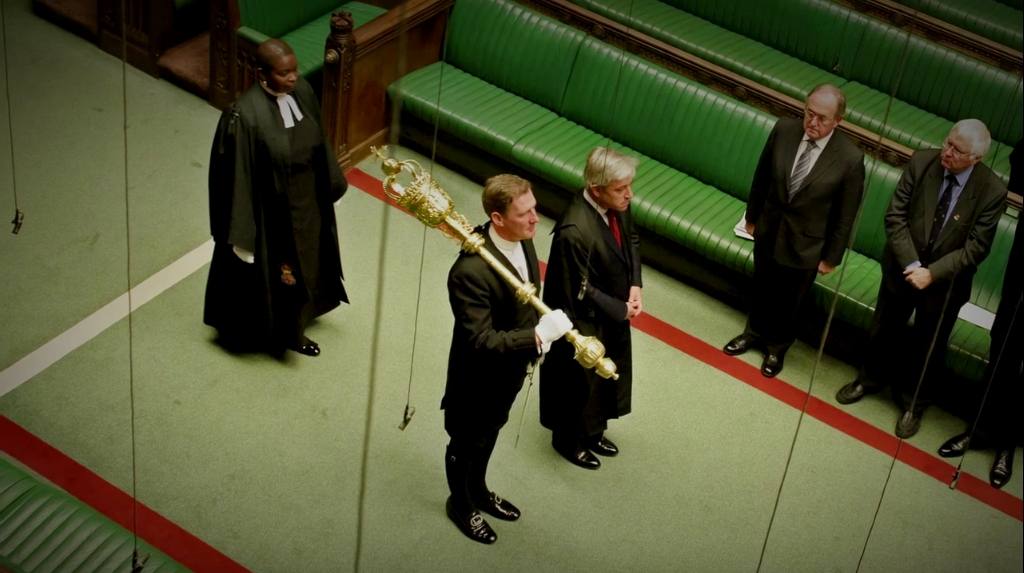
The House of Lords is the revising chamber. Its members, the peers, scrutinise and amend legislation, but they cannot ultimately overrule the elected House. The Commons has the last word.
The Commons has the last word.
The third part of Parliament is the Crown. A bill becomes law only when it receives Royal Assent, granted in the monarch's name. In practice this is never refused.
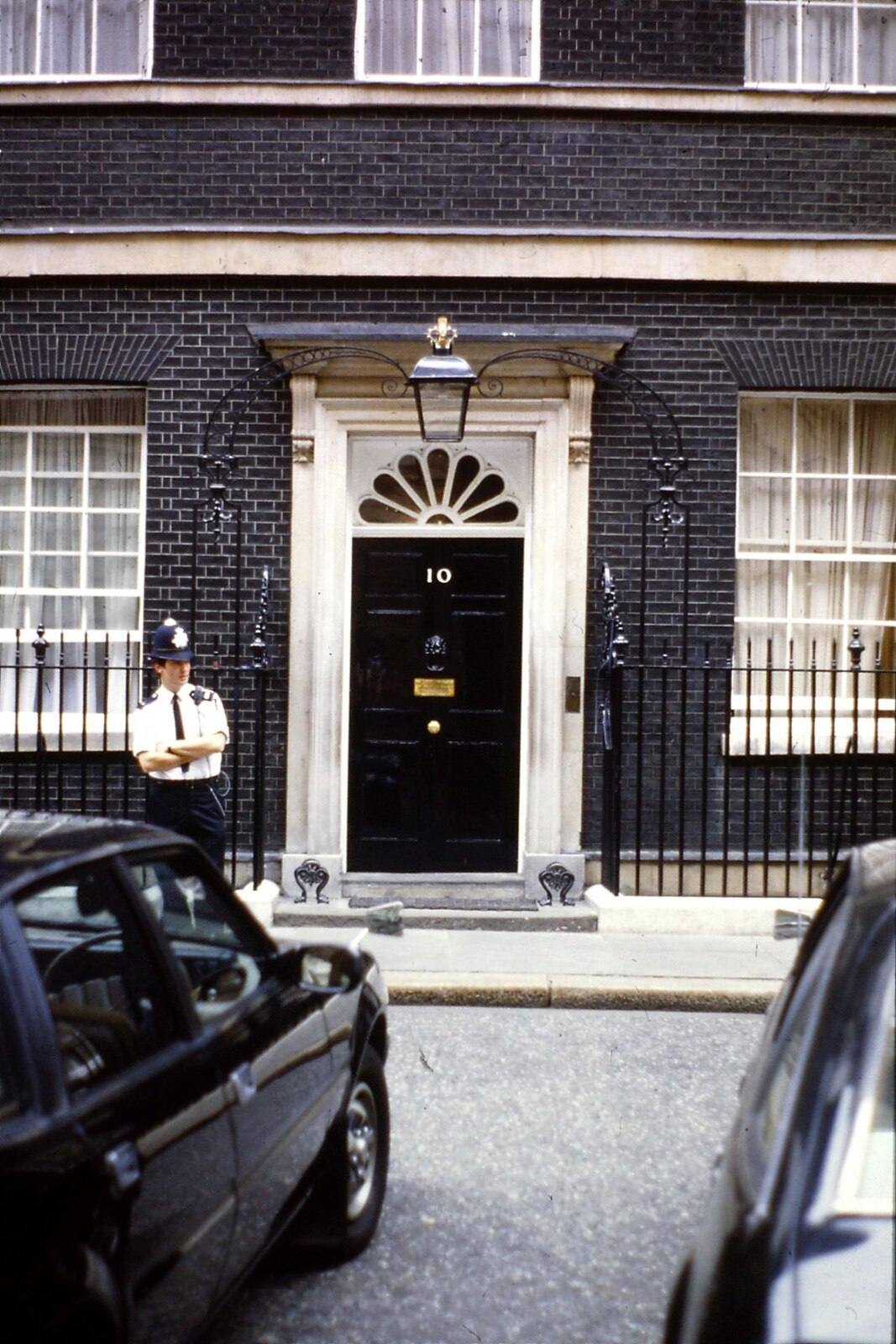
Government is drawn from Parliament. The Prime Minister, who leads the largest party in the Commons, appoints ministers, and most sit in one of the two Houses. The Cabinet is the Prime Minister's senior team, where the great questions of policy are settled.
Opposition is an office, not an insult. The largest party not in Government forms the Official Opposition, with its own frontbench shadowing each minister. Its job is to challenge, to probe, and to offer an alternative.
Each week the Commons holds the executive to account in open combat. Prime Minister's Questions, usually on Wednesdays at noon when the House is sitting, is the most famous half hour in British politics: unscripted, adversarial, and watched around the world.
Away from the chamber, select committees do the patient work. Committees of backbench MPs summon ministers, experts and witnesses, take evidence in public, and publish reports that governments ignore at their peril.
Making a law is a long road. A bill is debated and voted on in both Houses, examined line by line in committee, and amended, sometimes heavily. Only when both Houses agree on the final text does it go for Royal Assent and enter the statute book.
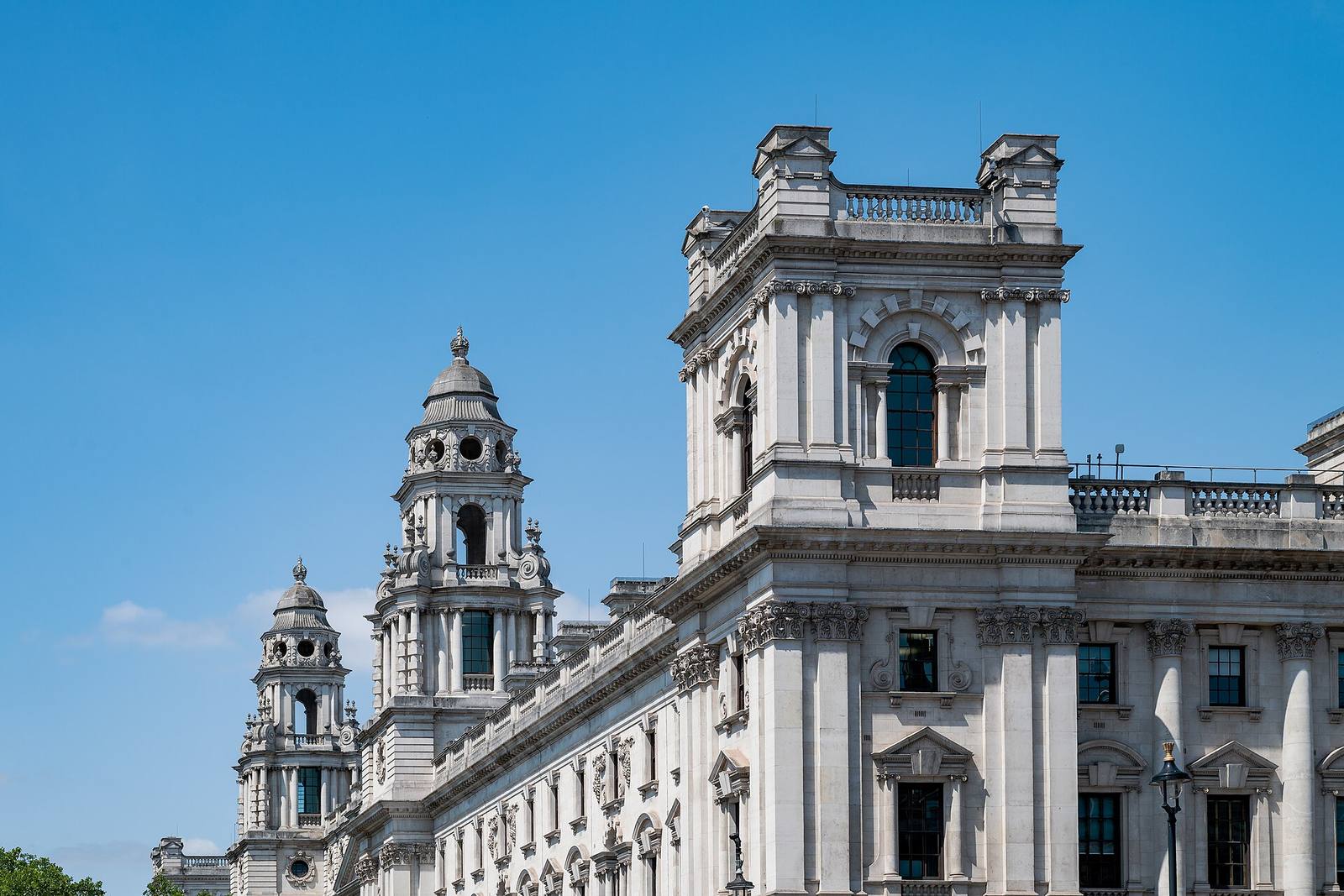
At the centre of economic government stands HM Treasury, in Whitehall, the department that raises the money and decides, with the Chancellor, how much each department may spend. The Budget is its set piece: the annual statement of tax and spending plans.
Nothing at Westminster is secret for long. Debates are published in Hansard, the official record, and the official calendar lists the business of both Houses in advance, from oral questions to select committee hearings.
None to date. The Journal corrects errors promptly and transparently. Read our corrections policy.