Britain's institutions, a reader's guide
The Bank, the NHS, the Museum: the furniture of British public life.
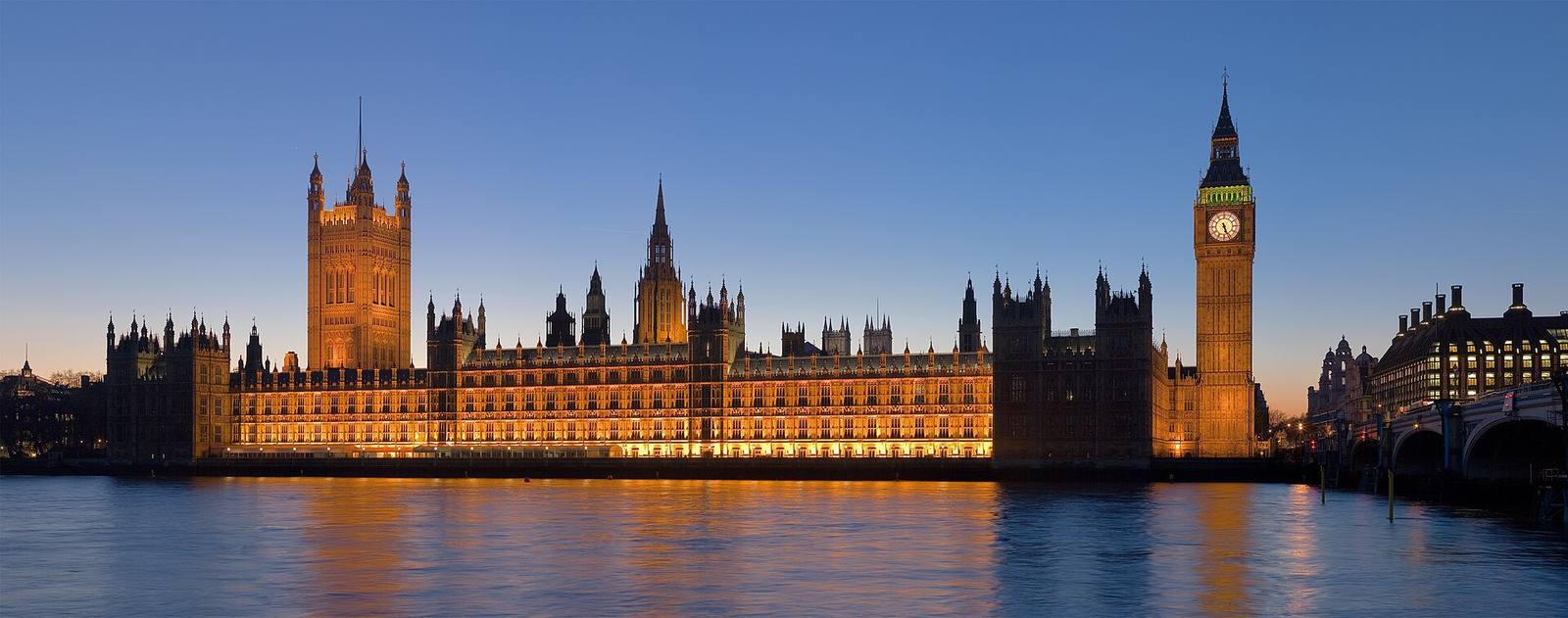
A country is known by its institutions. Britain's are old, strange, and remarkably durable: a legislature that claims sovereignty, a central bank older than most nations, a health service free at the point of use, and a museum that was the first of its kind in the world.
Parliament is the first institution and the source of the rest. Its sovereignty means it can make or unmake any law, and every other body on this list exists, in the end, by its leave.
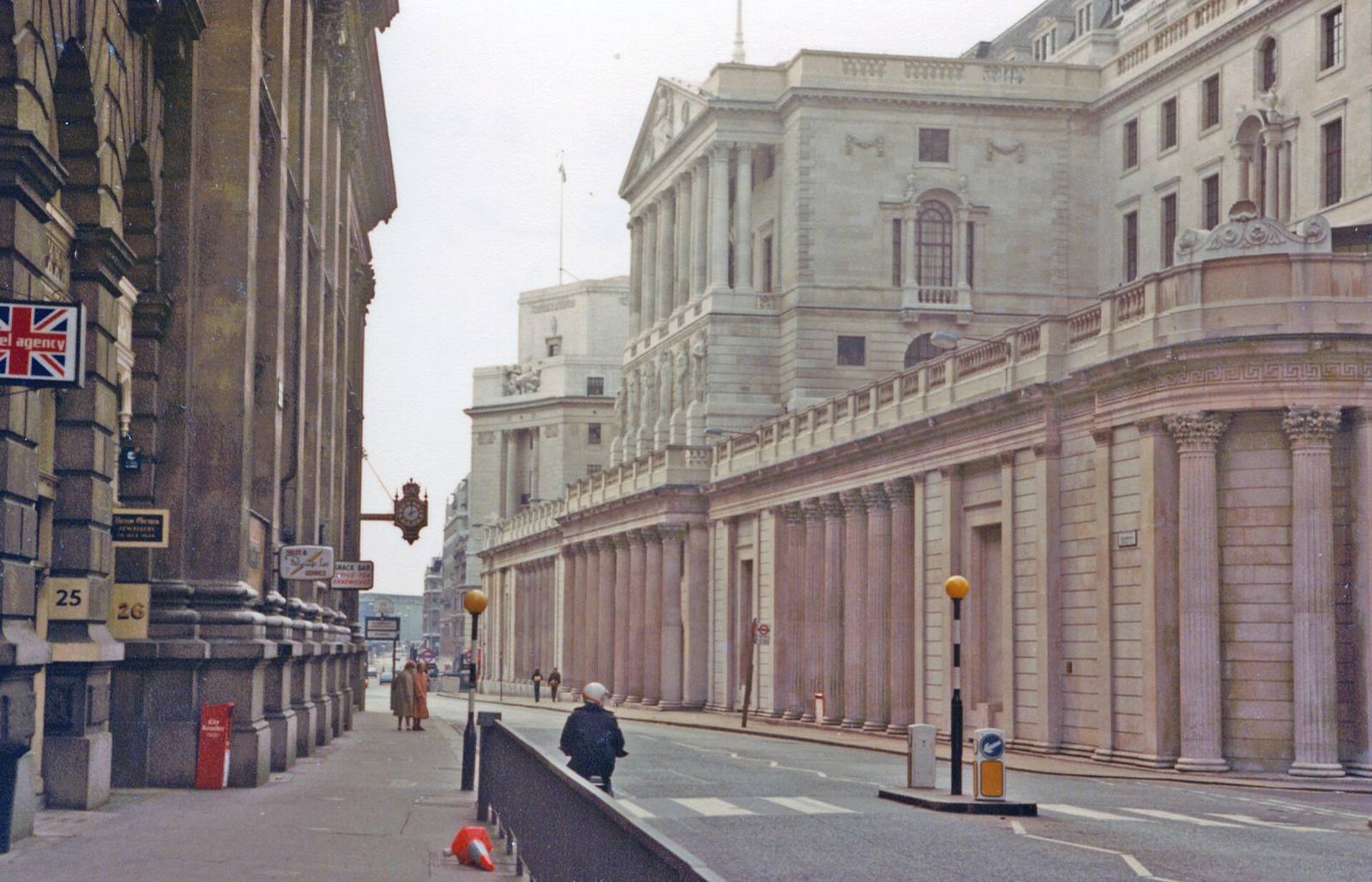
The Bank of England, on Threadneedle Street in the City, is the United Kingdom's central bank. Its Monetary Policy Committee sets Bank Rate, the price of money itself, working to an inflation target set by the Government: two per cent. It also watches over the banks.
Each admits the public, because each belongs, in the end, to the public.
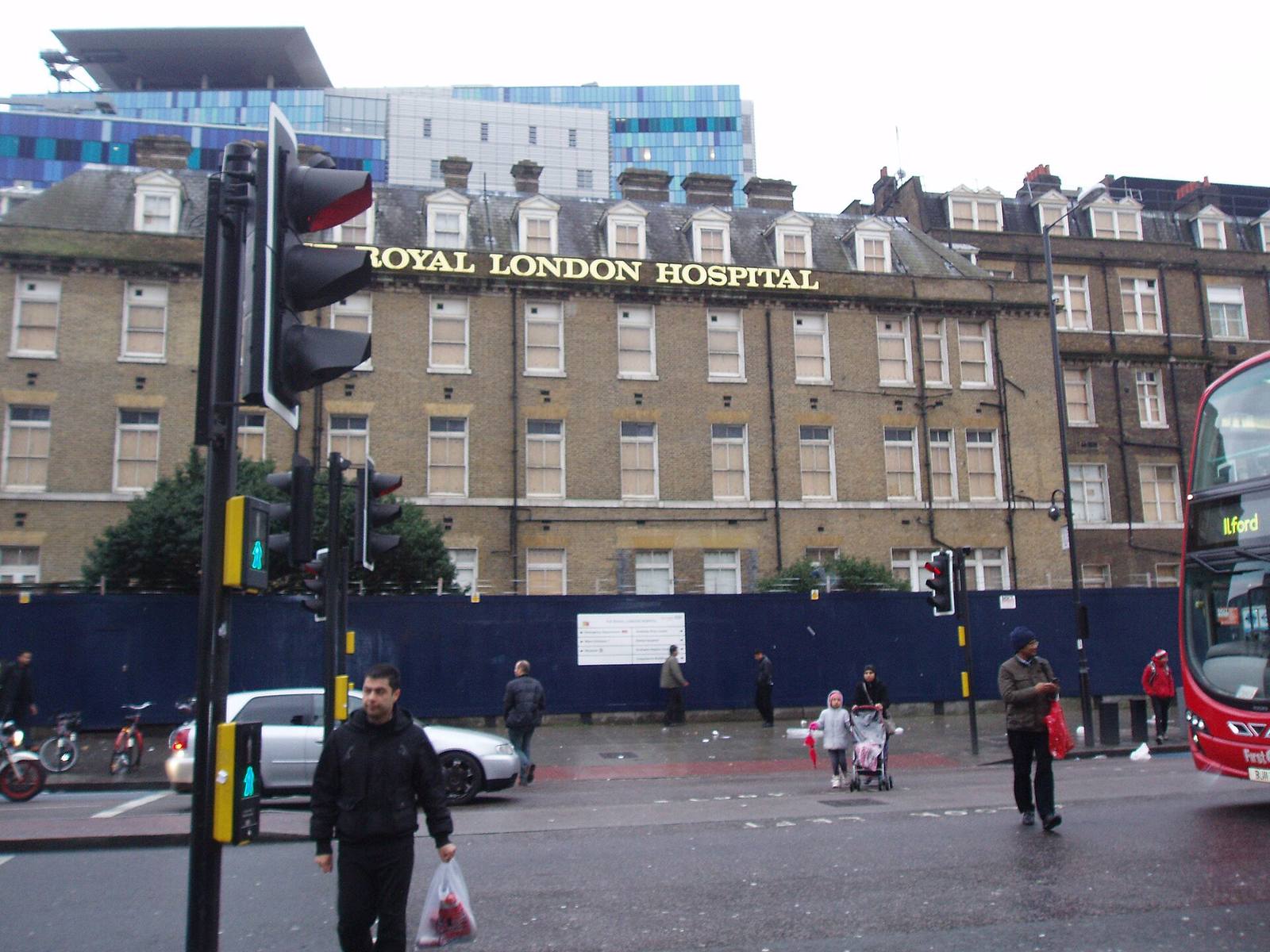
The National Health Service, founded in 1948, treats patients on the basis of need, not wealth. Hospitals like the Royal London in Whitechapel, and GP surgeries in every town, deliver care that is free at the point of use.
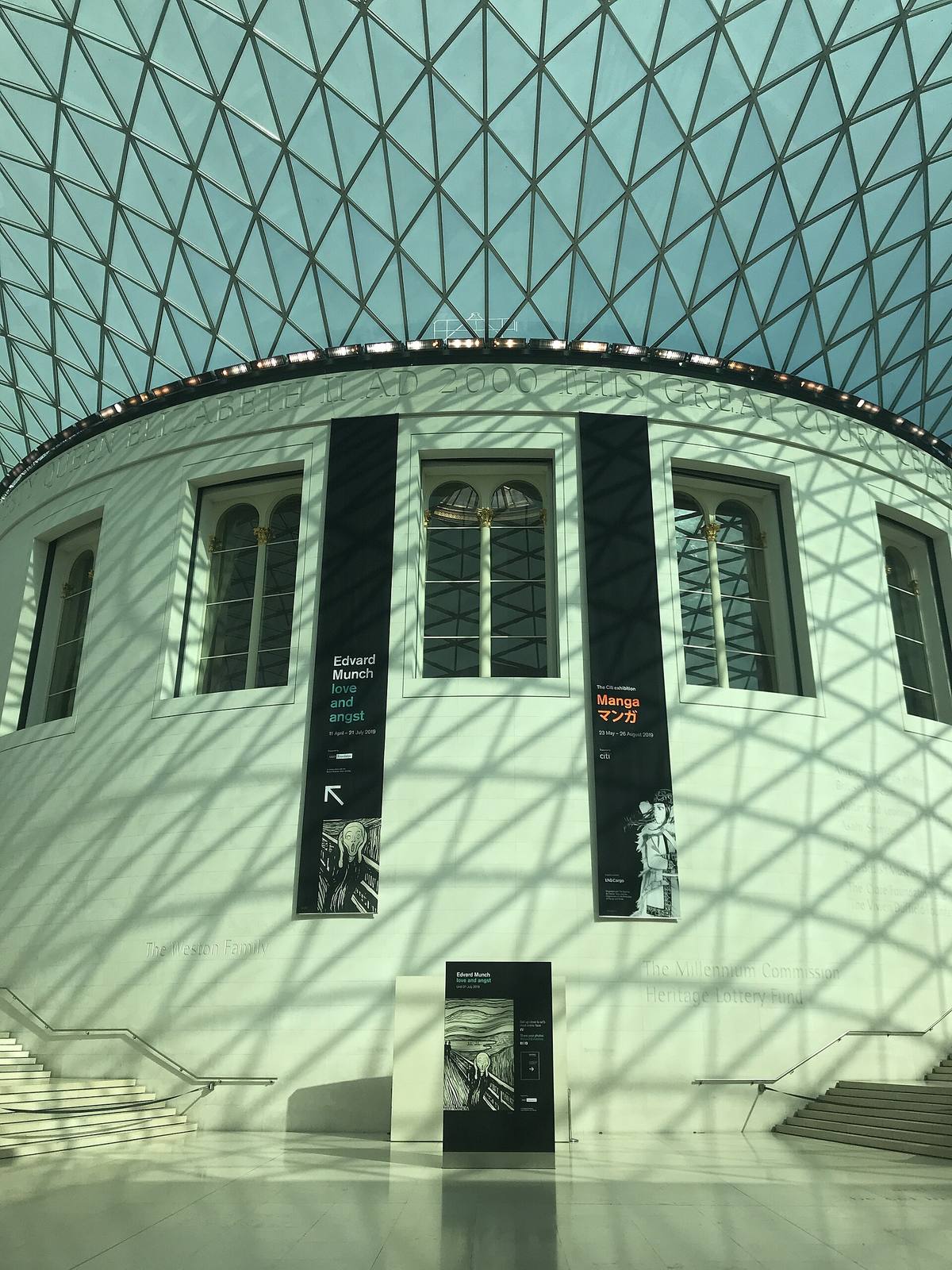
The British Museum, on Great Russell Street, was the first national public museum in the world. Its Great Court, roofed in glass and steel, gathers two million years of human history under one roof, and entry to the permanent collection is free.
Tate Britain, on Millbank, holds the national collection of British art, from Tudor portraits to Turner. Like the great national museums, it opens its doors without charge: culture as a public good, not a luxury.
These institutions share a habit: they are open. Parliament's galleries, the Bank's museum, hospital wards, museum courts: each admits the public, because each belongs, in the end, to the public.
None to date. The Journal corrects errors promptly and transparently. Read our corrections policy.