Jackdaw gas field approved for production as ministers set up an Energy Wealth Fund
The North Sea regulator has granted consent for gas to be produced at Jackdaw from the end of this month, and the Chancellor will put an initial 2 billion pounds into a new fund that reinvests North Sea revenues in renewable and low carbon energy.
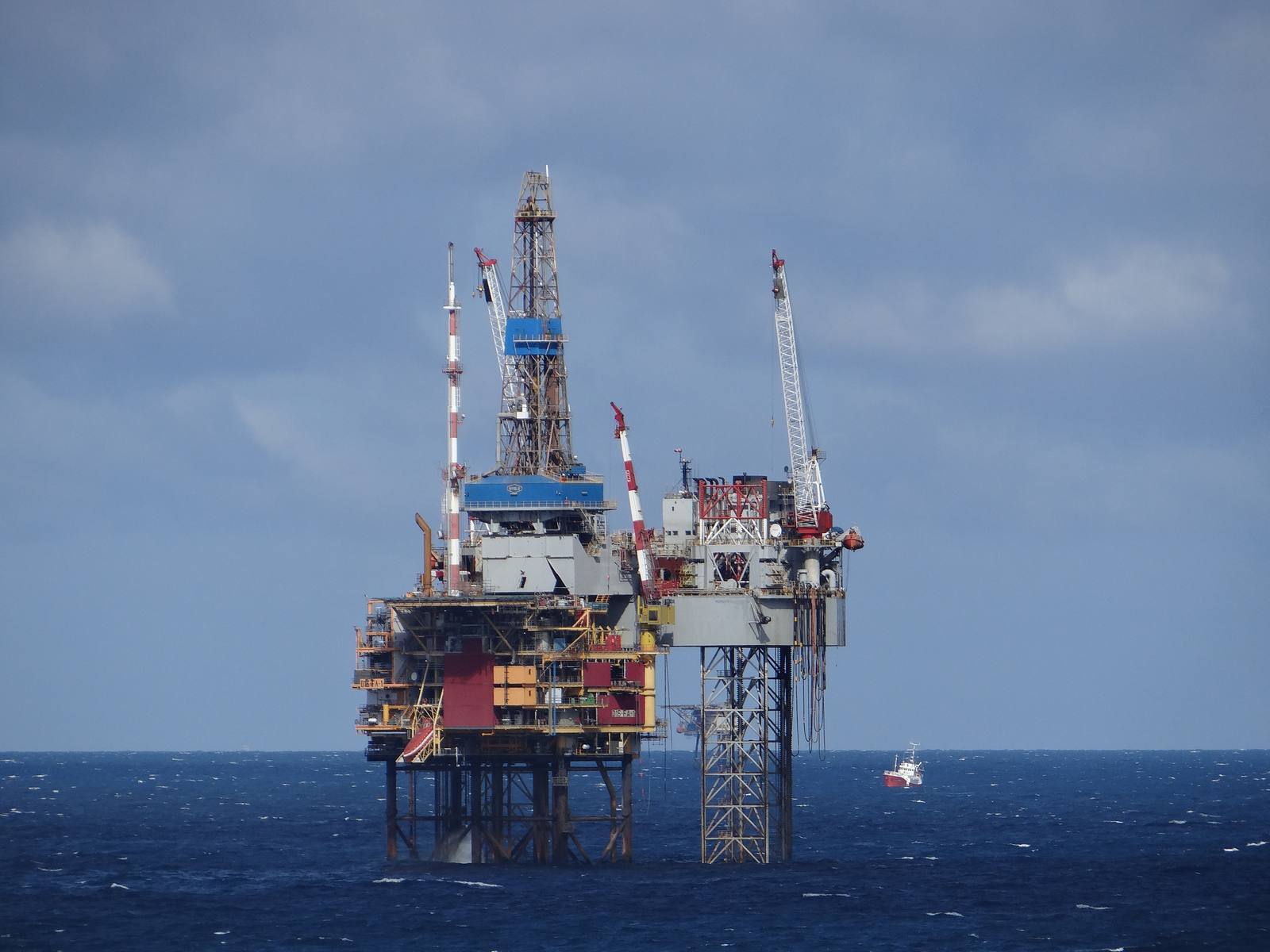
Gas from the licensed Jackdaw field will reach British homes and businesses from the end of this month. On Wednesday the North Sea Transition Authority granted development and production consent for the field, acting with the agreement of the Energy Secretary.
At its peak the field is expected to lift domestic gas production by around 6 per cent. Its lifespan runs to up to 11 years, and the Government puts its contribution to the UK economy at an estimated 2.9 billion pounds. On the developer's estimates, the project brings 27 new direct jobs and safeguards a further 273 existing ones. Over its life the field is expected to yield gas equal in energy terms to some 40 million barrels of oil.
The Energy Secretary, Miatta Fahnbulleh, said: "Following careful consideration of all relevant factors I have agreed that the regulator can grant consent for gas to be produced at Jackdaw, which will begin to supply the UK with gas from this winter thanks to the highly skilled and vital North Sea workers."
I want Britain's energy wealth to spark a new wave of clean power to work for the British peopleJohn Healey, Chancellor of the Exchequer
She added: "This decision will support the country's energy security with homegrown gas this winter and help minimise the UK's use of imported higher emission fuels as we continue our transition to renewables and nuclear."
The decision follows the Supreme Court ruling in the Finch case in 2024, under which operators must consider the impact of burning the oil and gas they extract in their environmental impact assessments. The Energy Secretary considered a new environmental framework alongside the other relevant factors in the case, including responses to the public consultation, and assessed that the project will not prevent the UK from meeting its legally binding limits on carbon emissions or from achieving net zero by 2050.
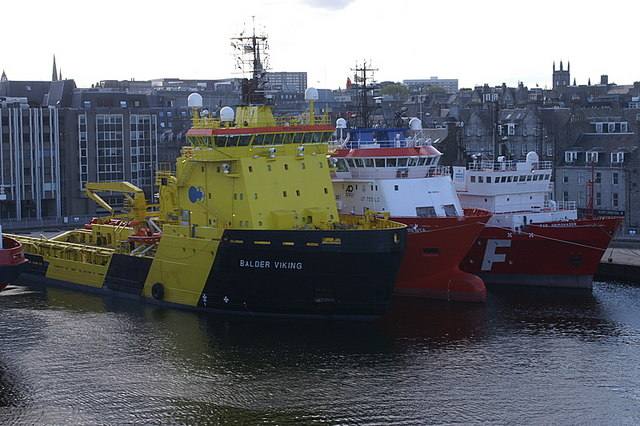
Jackdaw already holds its licence, and ministers present the consent as fitting the manifesto approach they were elected on: fields already licensed are managed for the whole of their lifespan, and no licences are issued for exploring new ones. Holding a licence does not by itself let a development proceed. Consent is a separate step, and the Authority may grant it only with the Secretary of State's agreement, given on the basis of an assessment of the project's environmental impact.
Stuart Payne, the chief executive of the North Sea Transition Authority, said: "After robust scrutiny we have today granted consent for the Jackdaw Field development which allows the owners to proceed with their project and produce gas from the field upon completion of development work."
He added: "This project will support the UK's energy security by providing domestically produced gas, generate tax revenues, safeguard supply chain jobs, use existing infrastructure, and have an emissions intensity well below the UK average."
Alongside the consent, the Chancellor, John Healey, announced a new Energy Wealth Fund, established within the National Wealth Fund. North Sea oil and gas tax revenues will flow into the fund, and it will invest them in low carbon and renewable energy projects. It starts with an initial injection of 2 billion pounds, and further North Sea revenues are to follow over time.
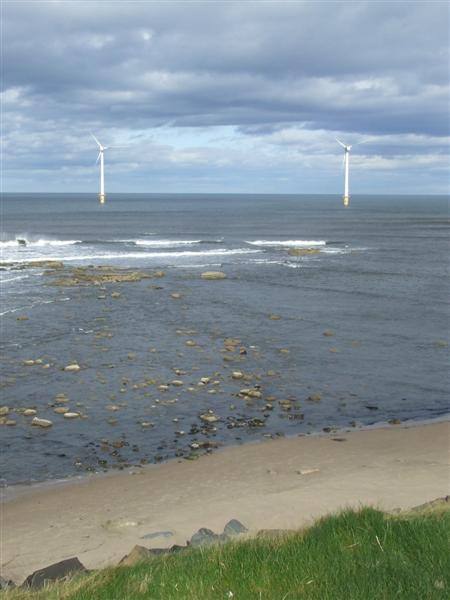
Mr Healey said: "I want Britain's energy wealth to spark a new wave of clean power to work for the British people."
The wider package asks the regulator to consider urgent cases that could benefit from the forthcoming Transitional Energy Certificates before the legislation for those certificates is in place, opens discussions with industry leaders on a refresh of the North Sea Transition Deal first agreed in 2021, and launches a consultation on new guidance for decommissioning complex infrastructure. The Government has also formally asked Shell to submit its Brent decommissioning programme for the Energy Secretary to consider, a decision it says has been under review since 2017. Independent analysis cited by the department, from Redwater Insights, puts the decommissioning sector's potential at up to 25,000 skilled jobs over the next decade and up to 25.6 billion pounds of investment.
Britain's gas still comes from several sources. On the department's figures, calculated from a five year average between 2021 and 2025, 42 per cent is sourced from the UK continental shelf, 37 per cent from Norway's continental shelf, 20 per cent from liquefied natural gas and 1 per cent through interconnectors. Jackdaw changes the first of those shares at the margin, and the fund is the Government's attempt to make the revenues from it outlast the field itself.
None to date. The Journal corrects errors promptly and transparently. Read our corrections policy.