Drivers without a driveway no longer need planning permission for cross-pavement chargers
From Wednesday, a cross-pavement charger at home needs no planning permission. Ministers say the change can cut up to 300 pounds from the cost of installing one, and put charging at home within reach at as little as 2p a mile.
Drivers who park on the street no longer need planning permission to install a cross-pavement charger at home, under a change that took effect on Wednesday and that ministers say can save up to 300 pounds on the cost of installation.
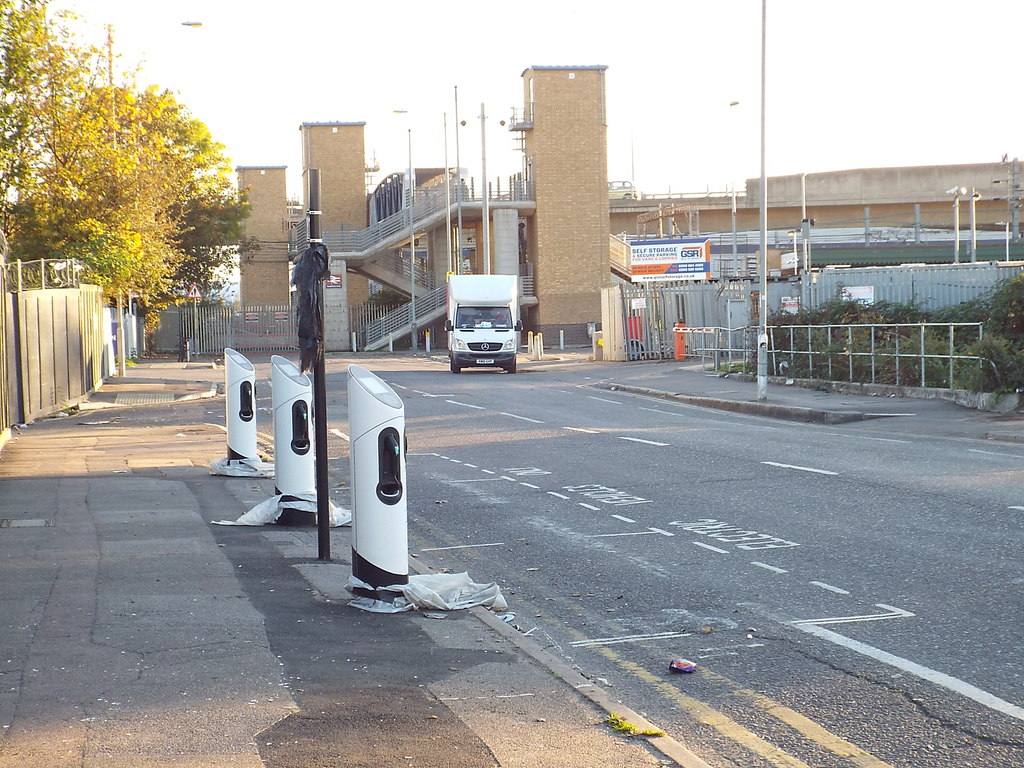
Cross-pavement chargers run under the pavement from a house to a car parked at the kerb. Removing the planning step is intended to give residents who have no driveway access to cheaper domestic electricity, with the Department for Transport putting the cost of charging in this way at as little as 2p a mile and the possible saving on running costs at up to 1,750 pounds.
The change comes through permitted development rights. Larger public charging hubs, of the higher powered kind run by charge point operators, should also become faster and less costly to install under the same package.
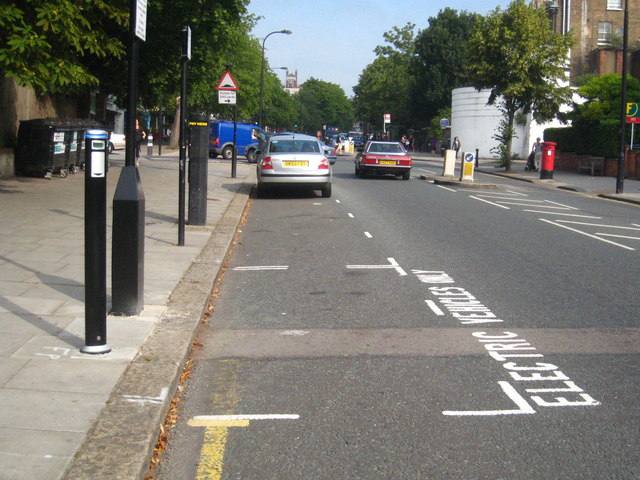
For someone without a driveway, it could make the difference between being able to afford an electric car and ruling one out altogetherVicky Edmonds, EVA England
The department set the change against a record month for electric car sales. Nearly 100,000 electric cars were sold in September 2026, a rise of 36 per cent in a year, and the Government's Electric Car Grant has now helped more than 190,000 drivers save up to 3,750 pounds off a new electric vehicle.
Vicky Edmonds, the chief executive of EVA England, said: "This might look like a small planning change, but for someone without a driveway, it could make the difference between being able to afford an electric car and ruling one out altogether."
She added: "Our research found that 60% of petrol and diesel drivers without off-street parking would never consider an EV."
Two consultations launched alongside the change run until 16 December 2026. The first seeks views on introducing an ability to charge for tenants and leaseholders in England, streamlining the landowner permissions a tenant or leaseholder needs to install a charge point. For renters and leaseholders, the department proposes a route to a point that is clearer about who decides, quicker to use and applied more consistently, backed by guidance for landlords on handling an application and by possible requirements that would make it harder for landlords and freeholders to refuse one.
The second consultation seeks views on changes to the building regulations that could increase charging provision in new buildings and in buildings undergoing major renovations. It also asks whether covered car parks that are newly built or refurbished should be required to contain charge points.
Taken together, the measures draw a line between the home a driver owns and the home a driver rents. The planning change helps a householder with a street parked car today, while the consultations decide whether renters and leaseholders get a route of the same kind, and whether new buildings arrive with charging already fitted.
None to date. The Journal corrects errors promptly and transparently. Read our corrections policy.