Inflation rises to 3.5 per cent in September as motor fuel prices climb
Consumer prices rose by 3.5 per cent in the year to September, the highest annual rate since October 2025. Petrol reached its highest price since August 2022 and diesel its highest since July 2022, while food inflation stayed at 1.3 per cent.
Inflation climbed in September to its highest annual rate in almost a year. The Consumer Prices Index rose by 3.5 per cent in the 12 months to September 2026, up from 3.1 per cent in August, according to the Office for National Statistics. The rate was last higher in October 2025.
On a monthly basis prices rose by 0.4 per cent in September, compared with little change in September 2025. The broader CPIH measure, which adds owner occupiers' housing costs, rose by 3.6 per cent over the year, up from 3.3 per cent in August, and also rose by 0.4 per cent in the month.
Transport did most of the work. Prices in that division rose by 6.6 per cent over the year, up from 4.6 per cent in August, and the biggest upward push on both annual rates came from transport, within it from motor fuels. Fuel prices were up 29.8 per cent on a year earlier, against 23.0 per cent the month before, and the ONS puts the annual rate for motor fuels at its highest since August 2022.
Petrol reached 169.5 pence a litre in September, its highest price since August 2022Office for National Statistics, September 2026 bulletin
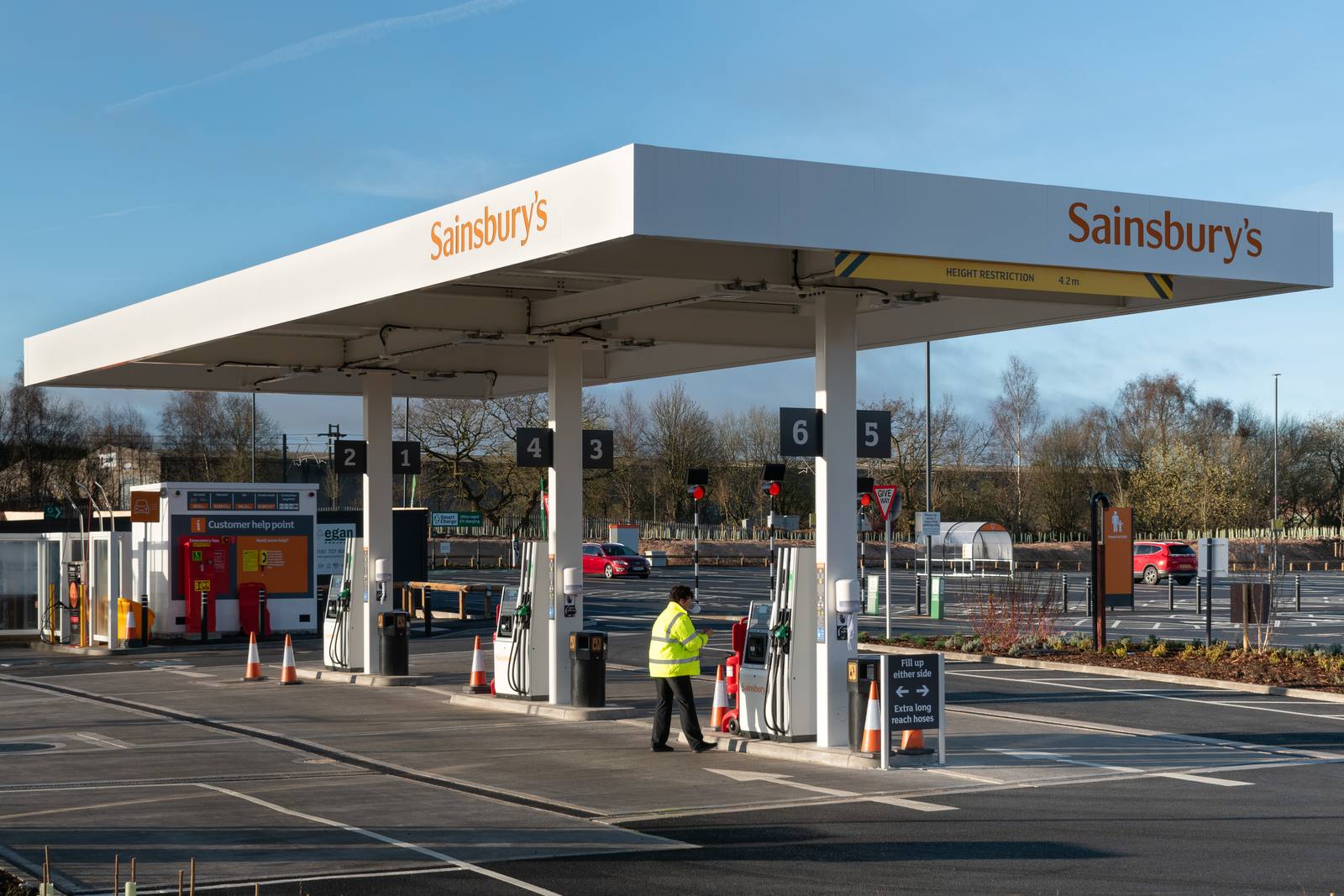
Petrol averaged 169.5 pence a litre in September, up 8.2 pence on the month, a price last exceeded in August 2022. Diesel averaged 192.5 pence a litre, up 10.7 pence, and was last dearer in July 2022. Both fuels had become slightly cheaper over the same month a year earlier, which sharpened their effect on the annual rate.
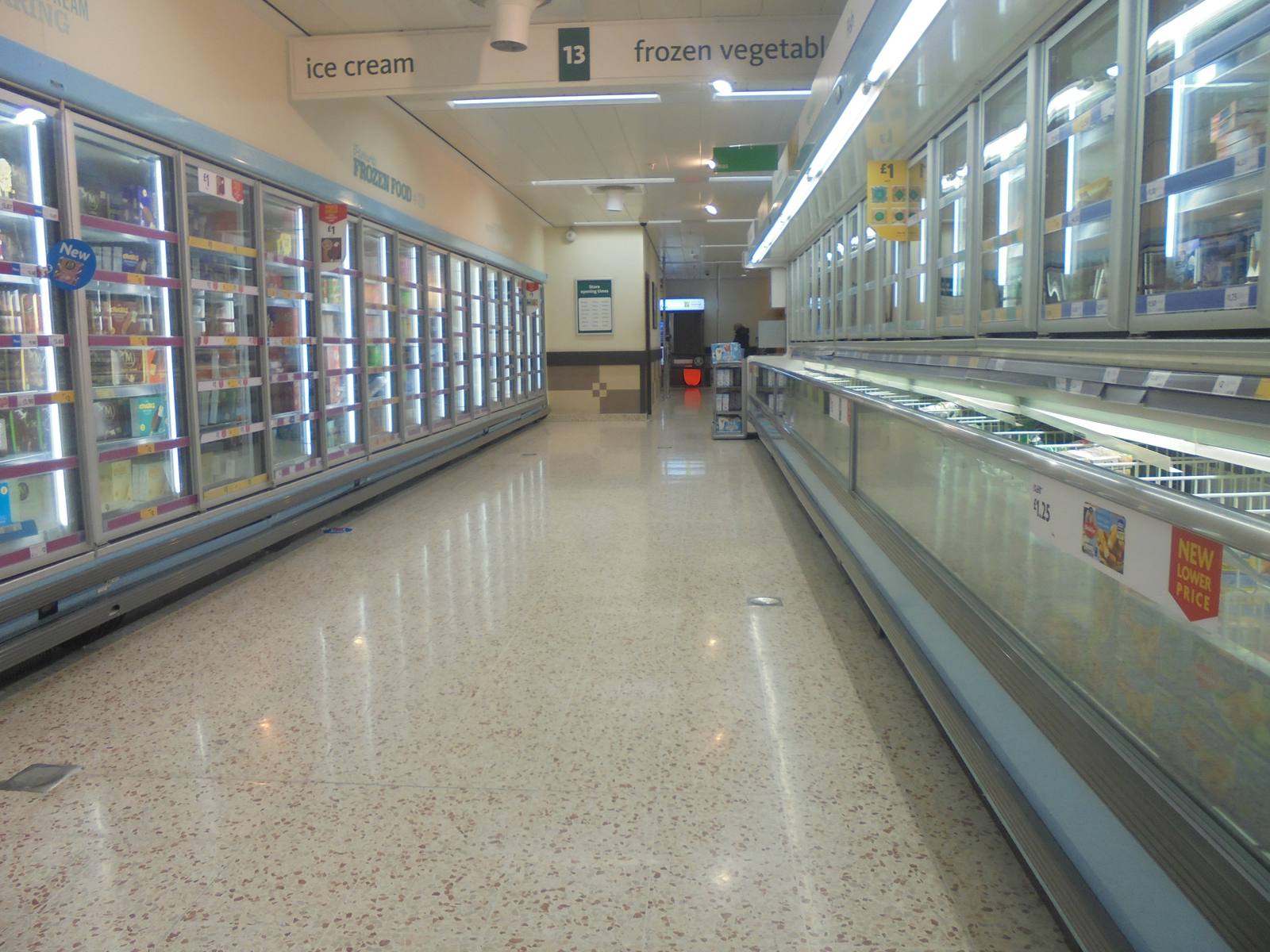
The largest offsetting pull came from restaurants and hotels, where prices rose by 3.8 per cent over the year, down from 4.1 per cent in August, with hotel prices rising by less than they had a year before. Food and non-alcoholic beverage prices rose by 1.3 per cent over the year, unchanged from August; the ONS says that rate was last lower in September 2021, and food prices fell by 0.2 per cent in the month itself.
Underlying pressure firmed as well. Core CPI, which excludes energy, food, alcohol and tobacco, rose by 2.8 per cent over the year, up from 2.6 per cent in August. The goods rate rose from 2.7 per cent to 3.2 per cent, its highest since September 2023, and the services rate rose from 3.4 per cent to 3.7 per cent. The House of Commons Library notes that the Bank of England pays close attention to services prices when setting interest rates, because they are seen as less exposed to global factors, more dependent on domestic costs, and more persistent than goods prices.
Elsewhere in the basket, housing and household services prices rose by 5.3 per cent over the year on the CPI measure and communication prices by 5.8 per cent, while recreation and culture rose by 2.3 per cent and education by 5.0 per cent. Kerosene prices rose by 22.7 per cent against a fall a year earlier, adding to housing costs within the CPIH measure.
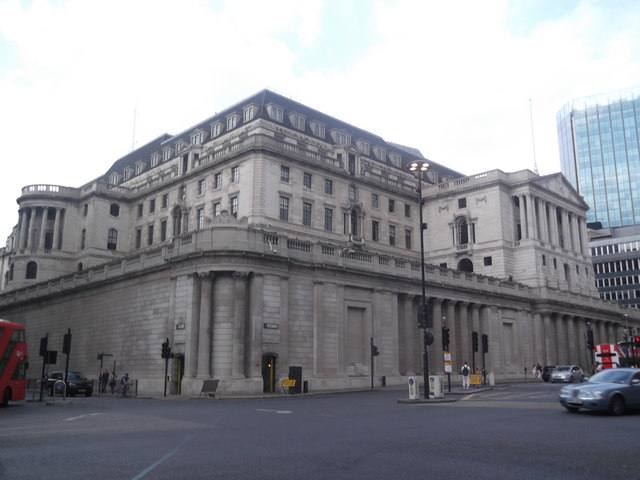
The CPI is the measure used for the Government's inflation target, which the Commons Library records as a remit to target an inflation rate of 2 per cent over the medium term. September's reading leaves the rate one and a half points above that target, and above the comparable rates the ONS reports for France, at 3.4 per cent, and Germany, at 3.3 per cent, in the same month.
The next set of consumer price figures, for October, is due from the ONS on 18 November 2026.
None to date. The Journal corrects errors promptly and transparently. Read our corrections policy.