Schools could hold needle-free adrenaline sprays under consultation on anaphylaxis treatment
The medicines regulator opened a consultation on Monday on changing the law so that schools can buy and hold spare adrenaline nasal sprays alongside the auto-injectors they have been allowed to stock since 2017.
Schools could be allowed to keep a needle-free adrenaline spray in reserve for allergic emergencies, under a public consultation opened by the Medicines and Healthcare products Regulatory Agency on Monday.
The proposal would amend the Human Medicines Regulations 2012 so that schools can purchase and hold spare Adrenaline Nasal Sprays without a prescription for a named pupil, in the same way that they have been able to hold spare Adrenaline Auto-Injectors since exemptions were added to the regulations in 2017.
Anaphylaxis is a severe allergic reaction that typically comes on suddenly and worsens quickly, and prompt treatment with adrenaline is essential. The consultation document notes that two doses of adrenaline may be needed before the emergency services arrive, so two single dose devices should be carried at all times, and that preparation and training in recognising anaphylaxis are essential in settings outside medicine.
Prompt treatment with adrenaline is essentialMHRA consultation, 19 October 2026
The nasal spray is a newer form of the same emergency treatment. The MHRA authorised an adrenaline nasal spray in July 2025, the first emergency treatment for the condition in the UK that does not use a needle. The consultation records two approved strengths: a 1 milligram spray for children from the age of 4 who weigh between 15 and 30 kilograms, and a 2 milligram spray for children and adults who weigh more than 30 kilograms.
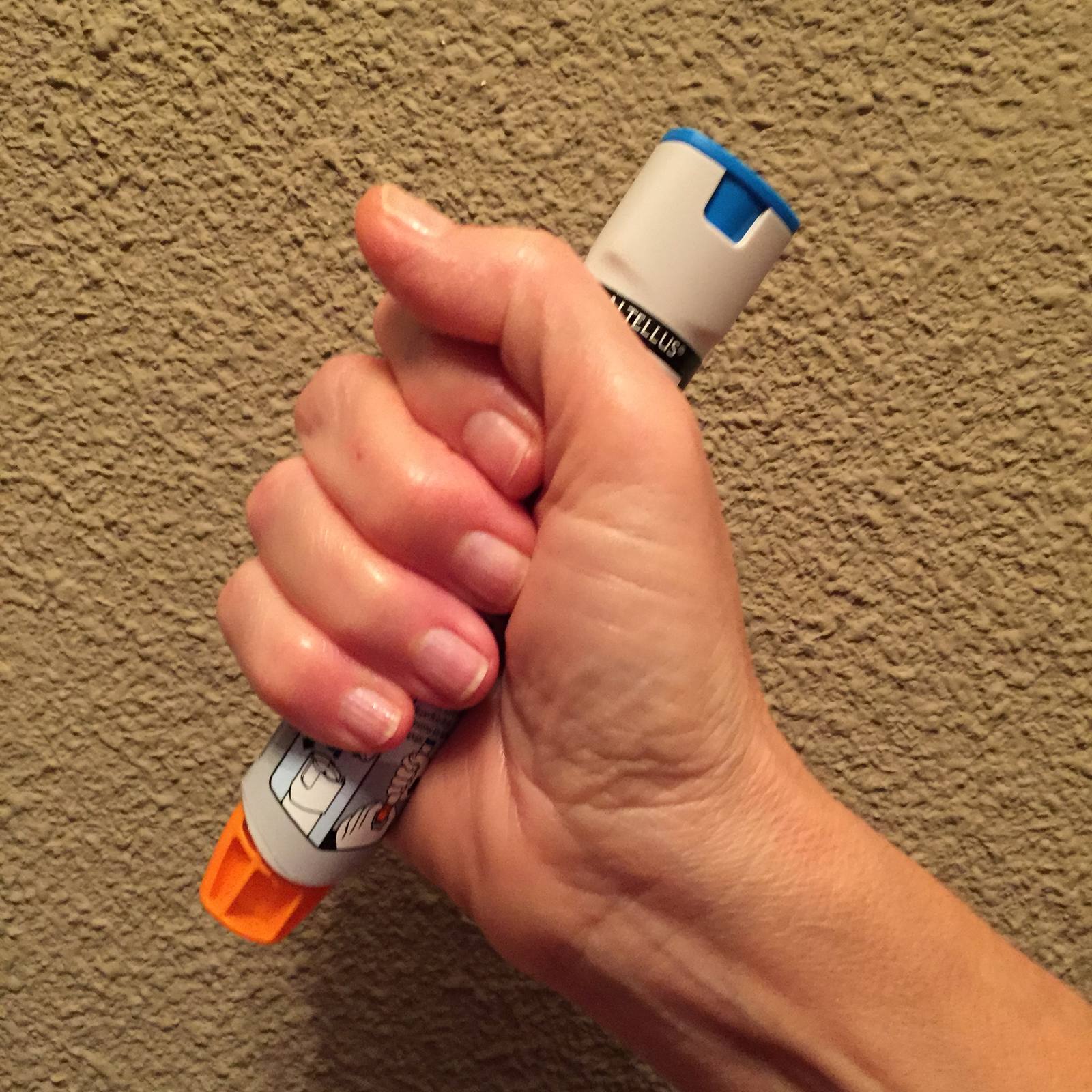
Under the proposal, the safeguards that govern school-held auto-injectors would stay in place and would extend to the sprays. A school's spare adrenaline could be used only for a pupil known to be at risk of anaphylaxis, and it would have to be given by school staff trained to use the product the school holds.
Schools would be able to choose whether to stock auto-injectors, nasal sprays or both. In an emergency, staff could use whichever type the school holds, even if the pupil's own prescription is for the other type, including where a pupil has not responded to their own adrenaline. Updated guidance would support training and implementation.
The consultation also restates the limit on school-held supplies: they are a backup, and not a replacement for pupils carrying their own prescribed medication. Schools are advised to hold a list of pupils known to be at risk, to record the spare products they hold and their expiry dates, and to replace stock before it expires.

Responses are invited from school leaders, teachers, teaching assistants and non-teaching school staff. The regulator also wants views from healthcare professionals and school nurses, from people who live with the risk of anaphylaxis and from their parents, families and carers, and from members of the public. What comes back will help ministers decide whether the change should go ahead, and in what form.
If the change goes ahead, the Department of Health and Social Care will revise the guidance it issued for schools in England in 2017, and will work with the devolved governments, whose own guidance covers schools in Scotland, Wales and Northern Ireland.
None to date. The Journal corrects errors promptly and transparently. Read our corrections policy.