England adopts plan to be free of bovine TB by 2038 in first year without a badger cull
The Government has formally adopted the co-designed bovine TB strategy for England, with cattle vaccination, expanded blood testing and badger vaccination at its centre, after a year in which herd breakdowns fell by a fifth and no badgers were culled.
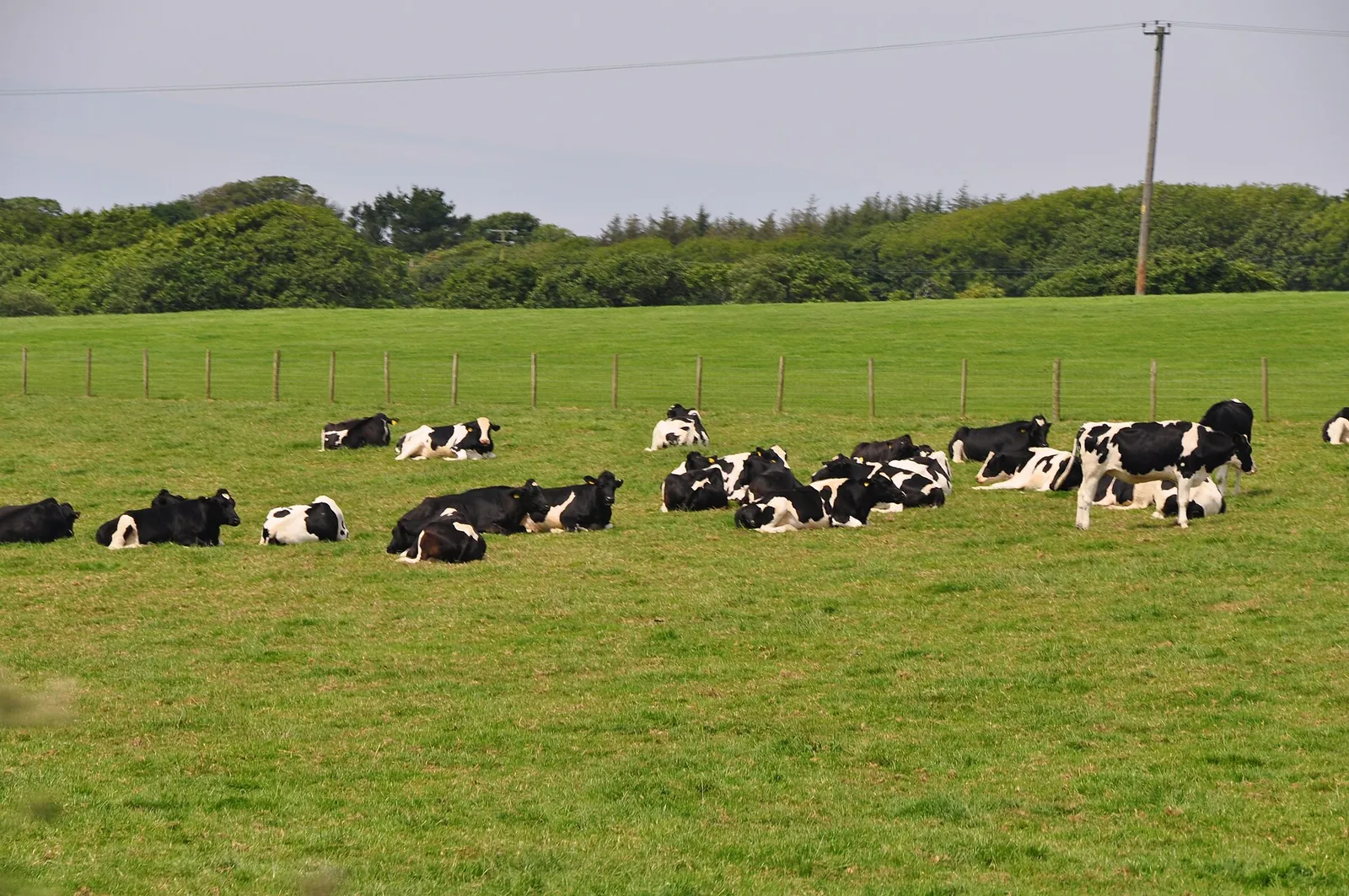
England now has a formally adopted long term plan to rid its cattle herds of bovine TB by 2038. The strategy, first published in June after a co-design process that drew on the experience of more than 100 people from farming, veterinary practice, science, industry and government, as well as members of the public, was taken forward by the Government on Thursday as its own programme for tackling the disease.
The figures published alongside the adoption point to a disease in retreat, though still far from beaten. Herds losing their TB free status fell by a fifth over the past year. The share of herds under restriction because of a TB incident stood at 3.4 per cent at the end of June 2026, down from 4.2 per cent a year earlier, and the number of cattle slaughtered for TB control reasons in England fell by 4 per cent to 20,244 in the 12 months to June 2026, against 21,126 in the year before. At the peak, in the 12 months ending April 2018, the total reached 34,518 animals.
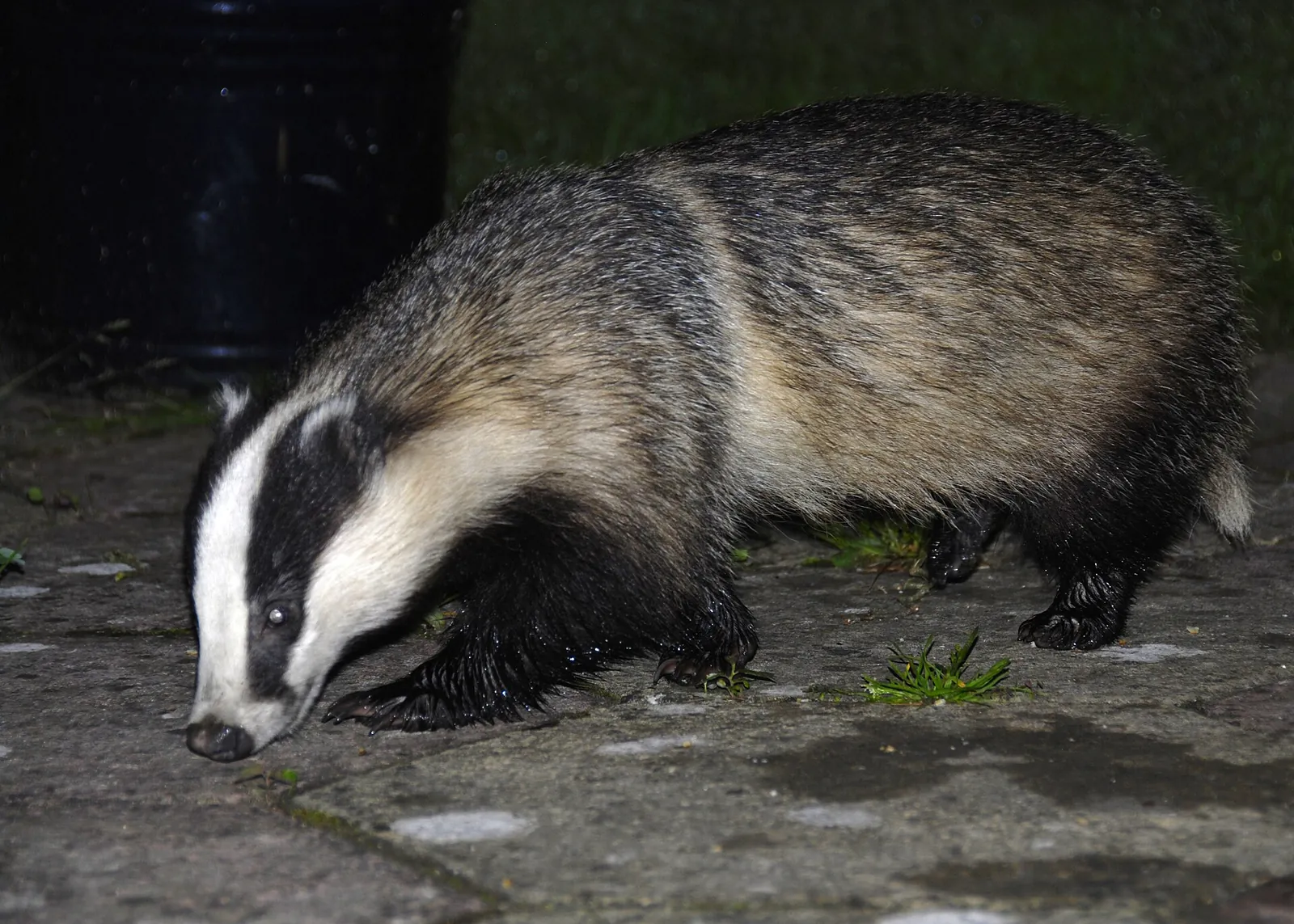
This year also marks a turning point in the most contested part of TB control. No badgers were culled in 2026, the first year in more than a decade without a cull, after every culling licence either expired or was revoked by Natural England. Ministers say that delivers their pledge to bring badger culling to an end during the present Parliament.
No farmer should have to accept this disease as an unavoidable part of their livelihoodBaroness Hayman, Biosecurity Minister
Baroness Hayman, the Biosecurity Minister, said: "No farmer should have to accept this disease as an unavoidable part of their livelihood." In the foreword to the Government response she added that bringing culling to a close does not close the wider story of the disease, and that progress will need sustained commitment and a willingness to act on emerging evidence rather than wait for perfect answers.
The strategy is built on five priorities: cutting the spread of infection between cattle, making better use of the data and evidence the programme gathers, stopping infection before it starts through innovation and new tools, giving farmers and vets the lead in their own areas, and reducing the disease risk that comes from the wider environment. Meeting them would, on the Government's account, deliver Officially Bovine TB Free status for England by 2038.
Vaccination and testing carry much of the practical weight. Work continues on a deployable cattle vaccine, with an ambition to have cattle vaccination in use by 2030, alongside a companion skin test, known as a DIVA test, that can tell infected animals apart from vaccinated ones. The on-farm part of the final phase of the cattle vaccine field trials has finished, an application to market the CattleBCG vaccine has gone to the Veterinary Medicines Directorate, and a separate application for the DIVA test reagent is planned for 2028. Government funded mandatory blood testing, using the interferon gamma test alongside the standard skin test, is being expanded in breakdown herds, and a pilot of privately funded extra blood testing is under way.
For badgers, the emphasis moves from culling to vaccination and surveillance. A newly contracted Badger Vaccination Field Force is taking the farming community led approach developed in East Sussex into more high incidence areas, with three new vaccination areas established this year in North Shropshire, North Worcestershire and South East Oxfordshire, and further areas planned for 2027 and 2028. Later this month a new government scheme will start collecting found dead badgers for TB testing, at first in five counties in the High Risk Area, and surveillance work on wild deer is running in Exmoor, Cornwall and Oxfordshire.
Delivery will be overseen by a new industry and government Strategy Board, replacing the existing Bovine TB Partnership for England. Recruitment to the board is to begin shortly, the Government expects it to be established at the earliest opportunity in 2027, and one of its first actions will be to review and approve the strategy's first delivery plan. That plan, due in late spring 2027, is being developed by the existing co-design steering group, which has been asked to set out how the longer term finances of TB control, including compensation for slaughtered cattle, which typically costs taxpayers between 25 million and 30 million pounds net each year, can be linked more clearly to biosecurity and safer herd management.
None to date. The Journal corrects errors promptly and transparently. Read our corrections policy.