Private rents rise 3.8 per cent to 1,411 pounds a month while London house prices fall 3.5 per cent
The Office for National Statistics put the average UK private rent at 1,411 pounds in October, 51 pounds higher than a year earlier, with the annual rate unchanged. House prices rose 1.2 per cent in the year to September, but London fell 3.5 per cent and Inner London recorded its largest annual fall since August 2009.
The average private rent in the UK reached 1,411 pounds a month in October, and the pace at which rents are rising has stopped accelerating without yet easing. The Office for National Statistics, in its monthly housing bulletin published on Wednesday 18 November, put the annual increase at 3.8 per cent, or 51 pounds a month on the average bill, a rate unchanged from the 12 months to September. For tenants the figure that matters is the level: the average rent is now 1,472 pounds in England, 849 pounds in Wales and 1,015 pounds in Scotland.
The four nations are moving at different speeds. England's annual rent inflation was 4.0 per cent, unchanged on the month. Wales recorded 3.9 per cent, down from 4.1 per cent in September and well below its peak of 8.9 per cent in March 2025. Scotland's 0.7 per cent rise was unchanged and is, the ONS says, the joint lowest annual rate for Scotland since its rent series began in January 2016, a figure the bulletin warns is shaped by the controls on in-tenancy increases that Scotland applied between September 2022 and March 2025 and by data that have historically rested mainly on advertised new lets. Northern Ireland's average rent was 876 pounds in August 2026, up 1.2 per cent on the year; its figures run two months behind and cover advertised new lets, so the UK total for the latest two months rests partly on an estimate.
Within England, rent inflation was highest in the North West, at 5.6 per cent, and lowest in the South West, at 3.3 per cent, the North West rate easing from 5.7 per cent and the South West rate down from 4.2 per cent. The average rent was highest in London, at 2,350 pounds, and lowest in the North East, at 793 pounds. By local area the spread is wider still: Kensington and Chelsea averaged 3,765 pounds in October, against 553 pounds in Dumfries and Galloway, and the highest average outside London was Oxford, at 1,956 pounds. By property type, detached homes commanded the highest average rent, at 1,603 pounds, and flats and maisonettes the lowest, at 1,377 pounds.
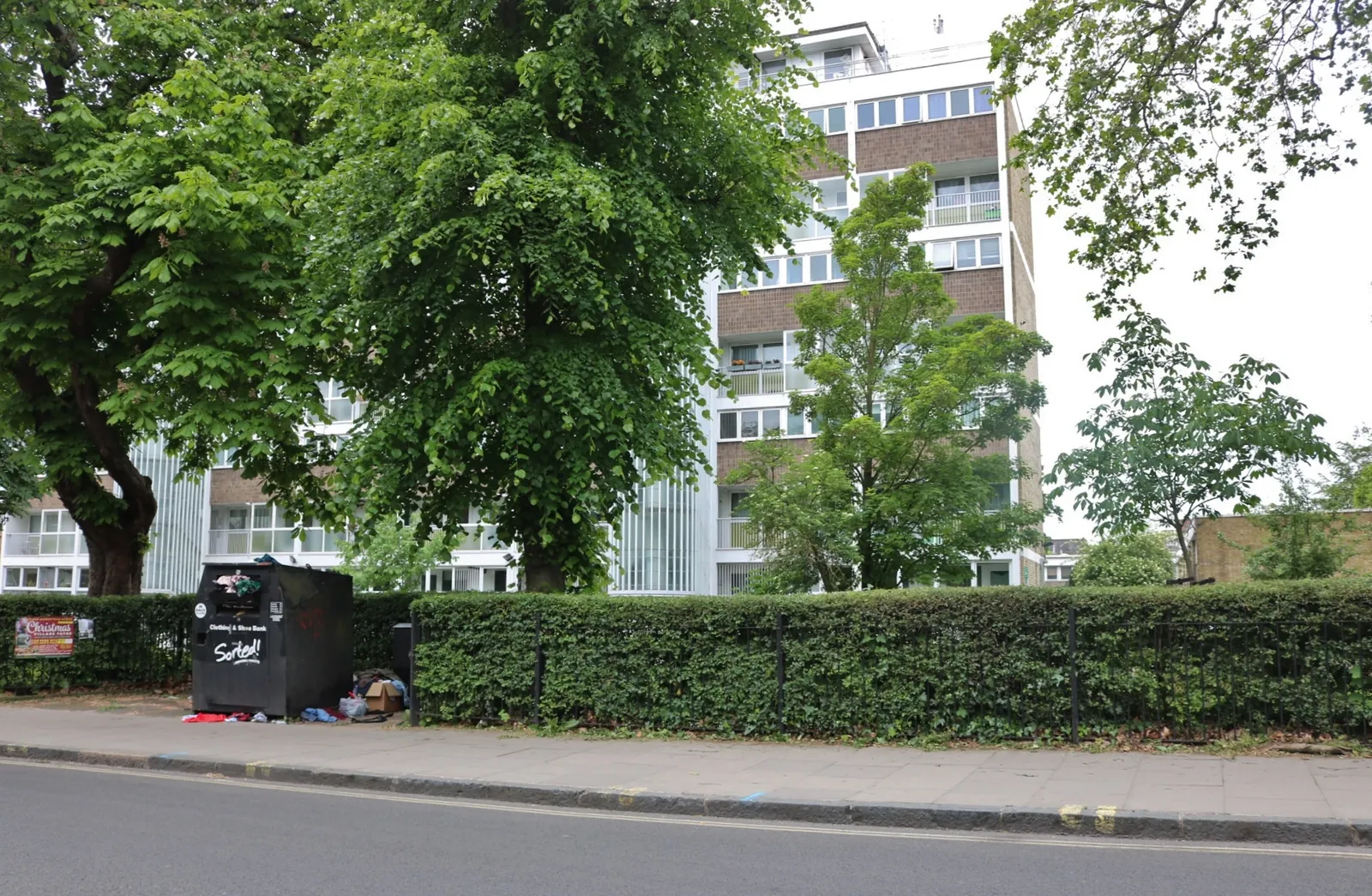
Inner London fell 7.2 per cent, its largest annual fall since August 2009.Office for National Statistics
House prices tell a flatter story with a sharp regional edge. The average UK house price was 273,000 pounds in September, up 1.2 per cent on the year, a rate unchanged from August, and down 0.5 per cent on the month on HM Land Registry's figures. England averaged 293,000 pounds, up 0.8 per cent; Wales 215,000 pounds, up 1.8 per cent, a slower pace than the 3.5 per cent recorded in August; and Scotland 198,000 pounds, up 2.3 per cent, down from 3.4 per cent. Northern Ireland, reported quarterly, averaged 207,000 pounds in the third quarter, up 7.4 per cent on the year. The North East had the highest house price inflation of any English region, at 4.6 per cent.
London is the exception to every national average. Prices there fell 3.5 per cent in the year to September, a deeper fall than the 2.4 per cent recorded in August. Inner London fell 7.2 per cent, which the ONS identifies as its largest annual fall since August 2009, while Outer London was almost flat, down 0.1 per cent. The driver is the flat market: the average price of a London flat fell 6.3 per cent, the 14th consecutive month of annual falls, and flats account for about half of all property sales in London against about a fifth across Great Britain. The Royal Institution of Chartered Surveyors' September survey, cited in the bulletin, found prices facing modest downward pressure across the UK, with London notably weaker than the national average.
Both halves of the release carry the statisticians' health warnings. The latest two months of rent estimates are provisional and will be revised, and the first house price estimate for September rests on sales volumes reflecting about 49 per cent of all sales in Great Britain, with the Land Registry cautioning that a purchase typically takes six to eight weeks to complete and that one month's figures should not carry too much weight. Alongside the bulletin, the ONS launched a new dataset of median and quartile rents for local areas in England and Wales. The next House Price Index, covering October, is due on 16 December.
None to date. The Journal corrects errors promptly and transparently. Read our corrections policy.