Reservoir grants and a record innovation competition open to farmers in a 43 million pound package
The Environment Secretary launches the two schemes at the CLA Rural Business Conference on Thursday. Applications for the water storage grant open on 30 November, and the 28 million pound competition is the largest the Farming Innovation Programme has run.
Farmers in England are to share 43 million pounds of support aimed at the two pressures the summer exposed: storing enough water to get through a dry season, and finding practical ways to farm with healthier soil and cleaner water. The Environment Secretary, Dame Angela Eagle, launches the package at the CLA Rural Business Conference in Westminster on Thursday 19 November, after a summer of dry weather and wildfire that Defra says left many growers struggling.
The larger part of the money is for ideas rather than concrete. A new Farming Innovation Programme competition, worth up to 28 million pounds and described by the department as the biggest the programme has run, will back collaborative projects on soil health, water quality and environmental management. The competition, titled Healthy Soils and Water for a Sustainable Environment, is funded through the Farming Futures R&D Fund and delivered by Innovate UK. Its published terms require projects to show how they will benefit farmers, growers or foresters in England, to cost between 1 million and 5 million pounds in total, and to run for up to 36 months, starting by 1 August 2027. It opened on 19 November and closes at 11am on 28 January 2027.

The second scheme is the Water Management Grant, first announced by the Prime Minister in the summer. Up to 15 million pounds is available for reservoirs and other water storage, so that farms can hold water back in wet periods for use in dry ones. Applications open on 30 November and the window runs for 12 weeks, to 23 February 2027. Defra is at pains to say the grant will not be allocated on a first come, first served basis: an application sent in on the closing day stands the same chance as one sent on the first. Growers may also apply before their planning and licensing permissions are fully in place, a change the department presents as cutting red tape.
Greater water security is crucial to food resilience, environmental protection and rural economic growth.Gavin Lane, President of the CLA
The CLA, whose conference hosts the launch, welcomed the grant while warning against reading it as the whole answer. Its president, Gavin Lane, welcomed the fund and praised the department's parallel work on the obstacles that stand in the way of building reservoirs on farms, from planning rules to abstraction licences. “Greater water security is crucial to food resilience, environmental protection and rural economic growth,” he said. “This fund is an important first step, but the scale of the challenge should not be underestimated.”
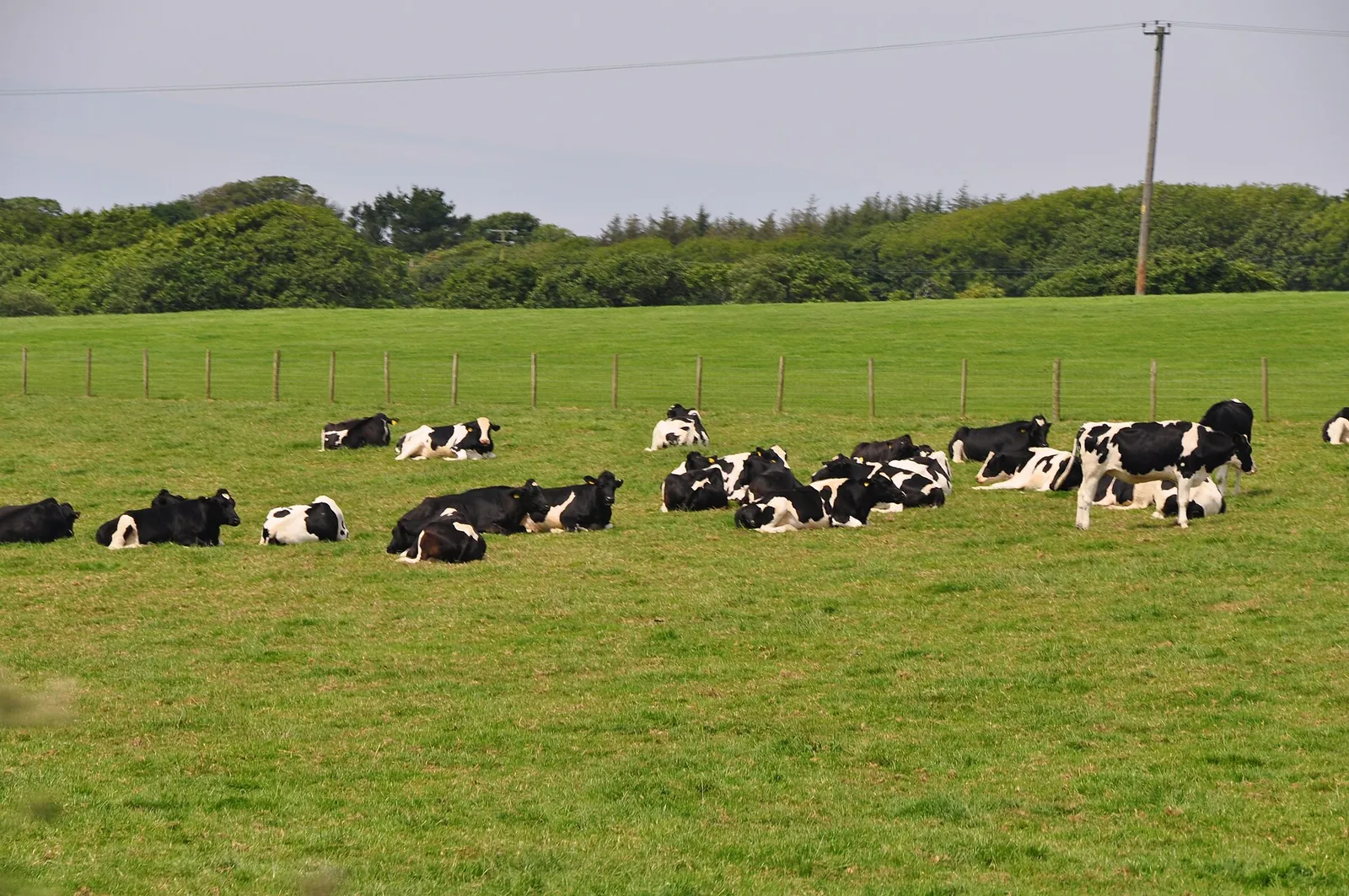
Earlier innovation rounds give a sense of what the competition is for. Defra cites ElentecBioAg, supported in a previous round, which has been developing technology to treat dairy cow slurry and turn it into fertiliser nutrients that farmers can use on their own land or sell. Alongside the two schemes, ministers have launched work on a Fertiliser Sustainability and Resilience Plan, inviting experts to help develop it, with the stated aims of raising British production and shielding farmers from volatile world markets. The department notes that prices of some fertilisers in the UK rose by 30 per cent in just two months this year, between February and April.
Two smaller changes complete the package. Eagle is expected to promise that the Sustainable Farming Incentive will move away from its current first come, first served approach, and a trial starting this month opens Countryside Stewardship Higher Tier schemes to farmers on common land, Dartmoor among them, who could not join before. In the speech text released by Defra, the Environment Secretary frames the aim in terms of control: “Our goal is rural communities that have power over their future, public services they can rely on, the tools they need to adapt to our changing world, and the support and clarity to be able to invest, innovate and grow their businesses.” Whether the money is large enough for that ambition is the question Lane's caution leaves open; the test begins when the grant window opens at the end of the month.
None to date. The Journal corrects errors promptly and transparently. Read our corrections policy.