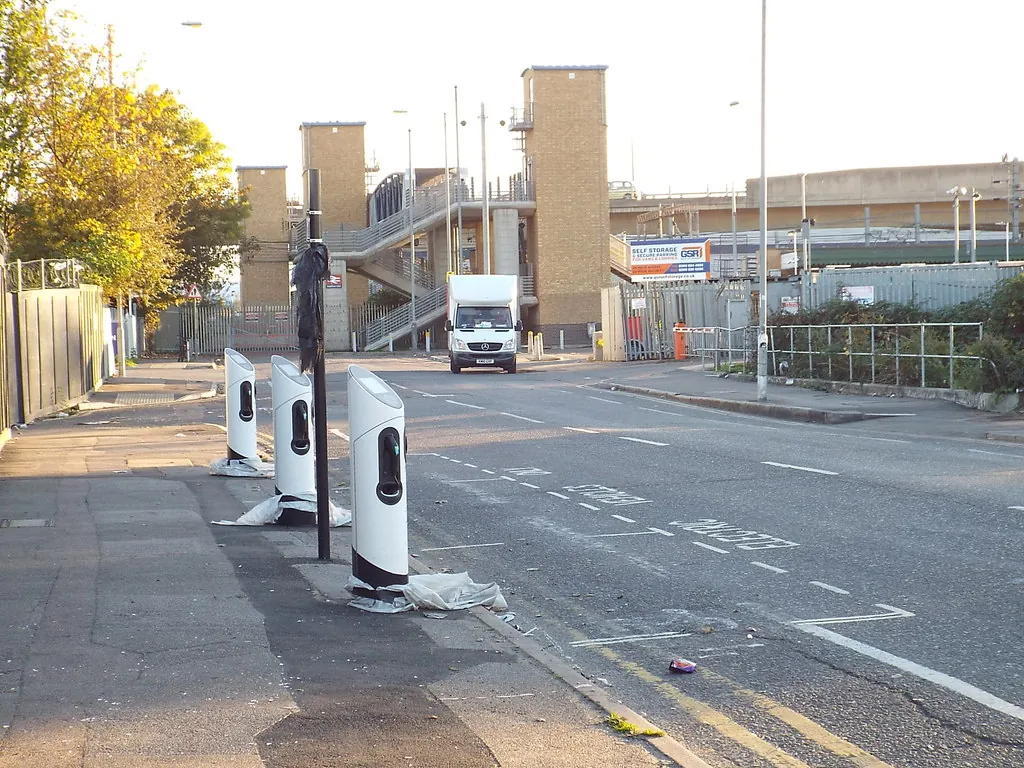
Weakening the electric car mandate would put the climate targets at risk, the Government's advisers warn
In a letter to the Transport Secretary published on Wednesday, the Climate Change Committee argues that cutting the headline targets would add 15 million barrels of oil a year to British fuel use by 2030, at a cost of more than 1 billion pounds a year.
Britain is likely to miss the climate targets Parliament has set in law if ministers dilute the Zero-Emission Vehicle Mandate. That is the conclusion the Climate Change Committee delivered on Wednesday 18 November, in a letter from its chair to the Secretary of State for Transport and in new evidence published alongside it, while the Government's own review of the mandate is still being decided.
The mandate is the mechanism that obliges manufacturers to raise, year by year, the share of electric vehicles in what they sell in the UK. The committee's case for leaving its headline targets alone is built first on carbon. Electric vehicles account for the largest share of the emissions reductions in the Government's Carbon Budget and Growth Delivery Plan through to 2037, and the committee describes them as the most cost effective route to the cuts required in that period. Loosening the mandate would, on its analysis, make the Sixth Carbon Budget, covering 2033 to 2037, harder and more expensive to reach. The same policy also underpins the separate carbon budgets adopted by the Scottish and Welsh Governments and the Northern Ireland Executive, whose ability to meet their own targets the committee says any review must weigh.
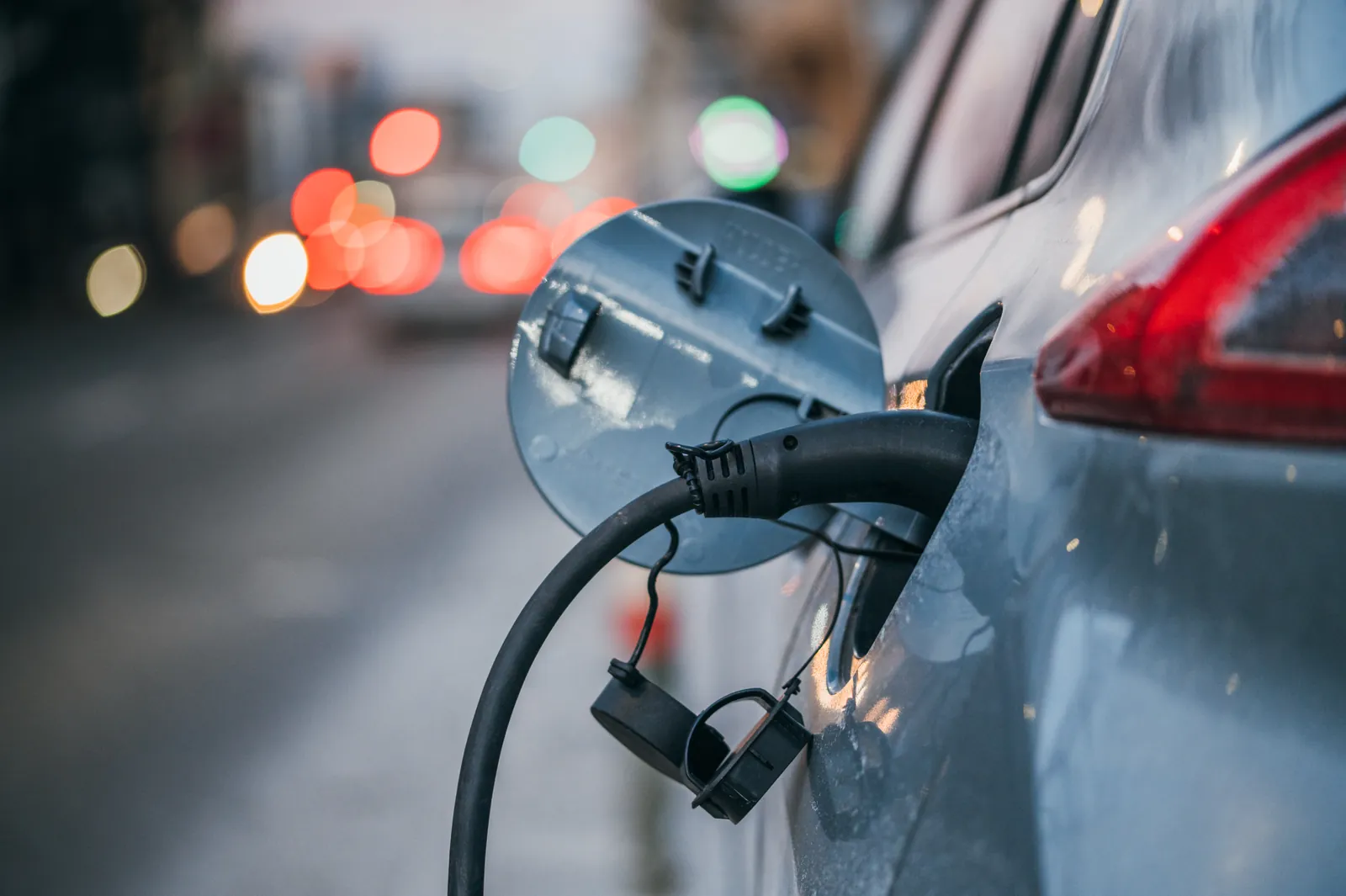
The second strand is household cost and energy security, and here the committee works from the Government's own numbers. Its reading of the official impact assessment is that cutting the headline targets would lift British fuel consumption by the equivalent of 15 million barrels of oil a year by 2030, oil that would have to be bought on international markets for more than 1 billion pounds a year at current prices. Against that, it puts the saving available to a household that switches to an electric car at around 800 pounds a year, and argues that a faster transition is what shields households from future spikes in energy prices.
The UK should be accelerating to keep up, not putting the brakes on.Nigel Topping, Chair of the Climate Change Committee
The committee's chair, Nigel Topping, framed the choice as one about competitiveness as much as emissions. Weakening the mandate, he said, would “undermine Britain's competitiveness, and leave us more exposed to volatile fossil fuel prices.” Drivers are buying electric vehicles in record numbers because they cost less to own, he argued, and the mandate is what gives the supply chain the certainty to invest and support thousands of jobs. On the international comparison he was blunt: the UK ranks 22nd in the world for electric vehicle sales, behind car making competitors including France and Germany, and should be, in his phrase, accelerating to keep up rather than putting the brakes on.
None of this decides the review. The letter was written into the Government's current review of the mandate, and it sets out the committee's position before ministers choose. What the committee has done is put a priced warning on the record: the targets are not only an environmental instrument but, on its evidence, the most cost effective path to the budgets Parliament has already legislated, and changing them moves costs rather than removing them.
None to date. The Journal corrects errors promptly and transparently. Read our corrections policy.