MI5 chief warns of a new era of national security as Russia and Iran step up hybrid campaigns
Sir Ken McCallum used his annual threat update at Thames House on Tuesday to say MI5 is devoting more resources to state threats than during the Cold War, with Russia named aggressor number one and Iran-linked operations leading to more than fifty arrests in a year.
Britain has entered a new era of national security, the head of MI5 said on Tuesday, warning that hostile states are aiming not only at government but at people, businesses and communities, and that the impacts of the threats faced at scale in 2026 are arson, sabotage, cyber-attacks, coercion and violence.
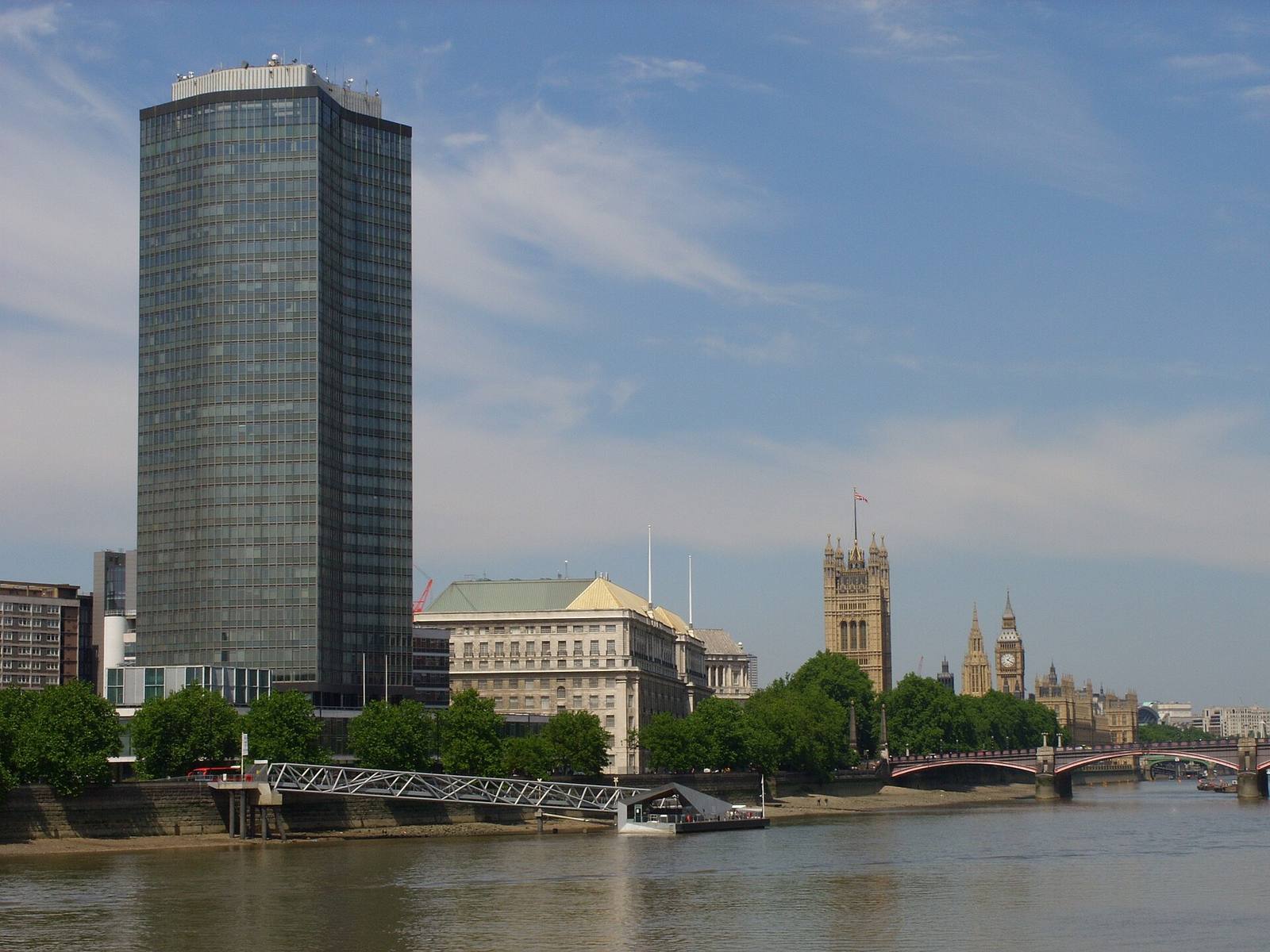
Delivering his annual threat update to an invited audience at Thames House, MI5's headquarters on Millbank, Sir Ken McCallum said the service's state threats caseload has quadrupled over the last decade and that MI5 is now devoting more resources to countering state threats than during the Cold War. Its terrorism and state threats missions are now of roughly equal scale, and a third core mission, Protect, has been elevated to front-rank status to build national resilience.
"Russia remains aggressor number one," McCallum said, accusing Moscow's military and intelligence services of escalating hybrid warfare while staying below the NATO Article 5 threshold. He cited a cyber attack on Polish energy infrastructure, an attempt to use an explosive-laden drone against a cargo plane in Germany and a thwarted assassination plot in the United States. With its traditional covert footprint eviscerated by almost 1,000 expulsions since the invasion of Ukraine, he said, the Kremlin was scrambling to pay criminals and exploit naive volunteers to do its bidding.
Russia remains aggressor number one.Sir Ken McCallum, Director General of MI5
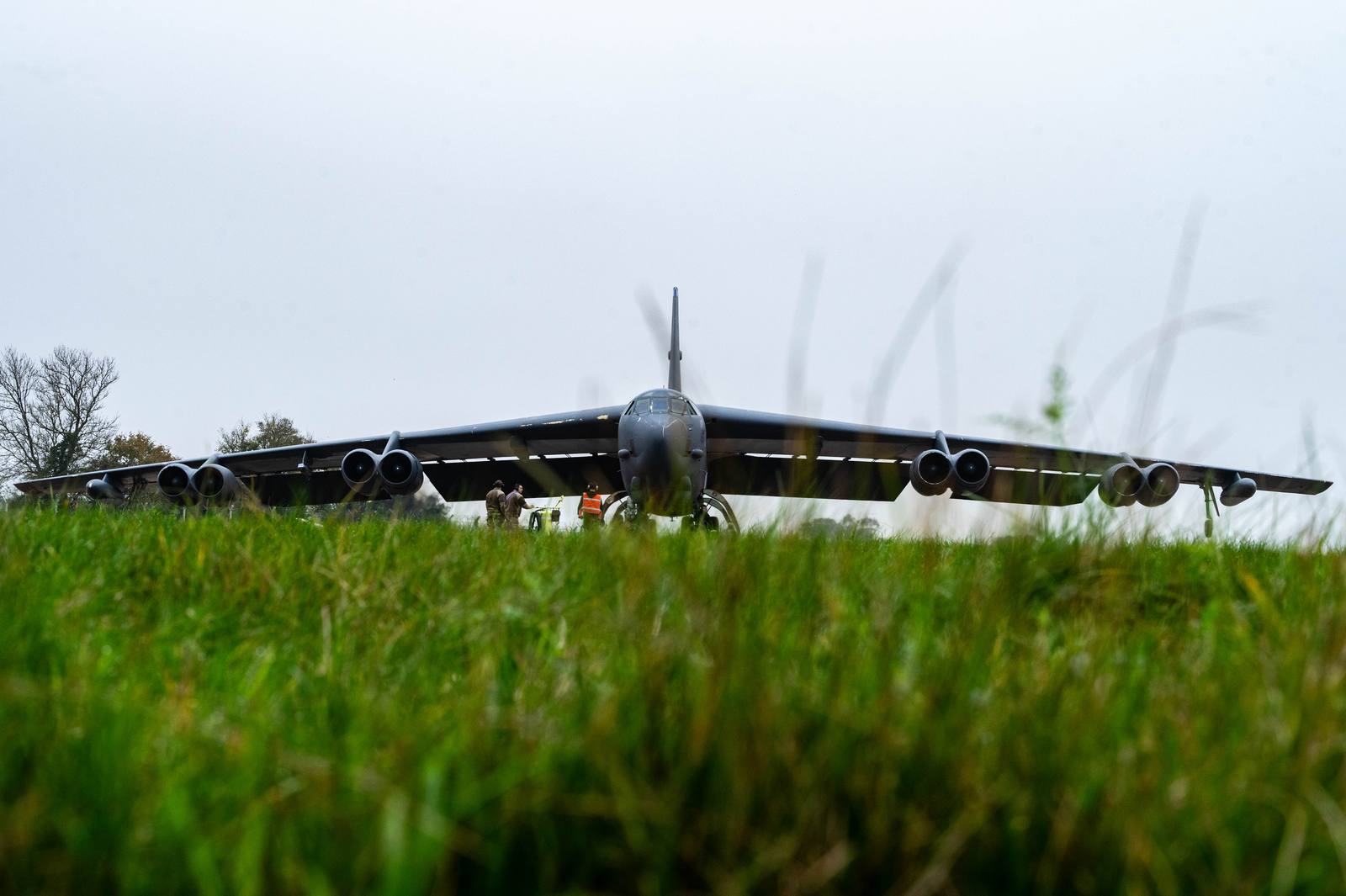
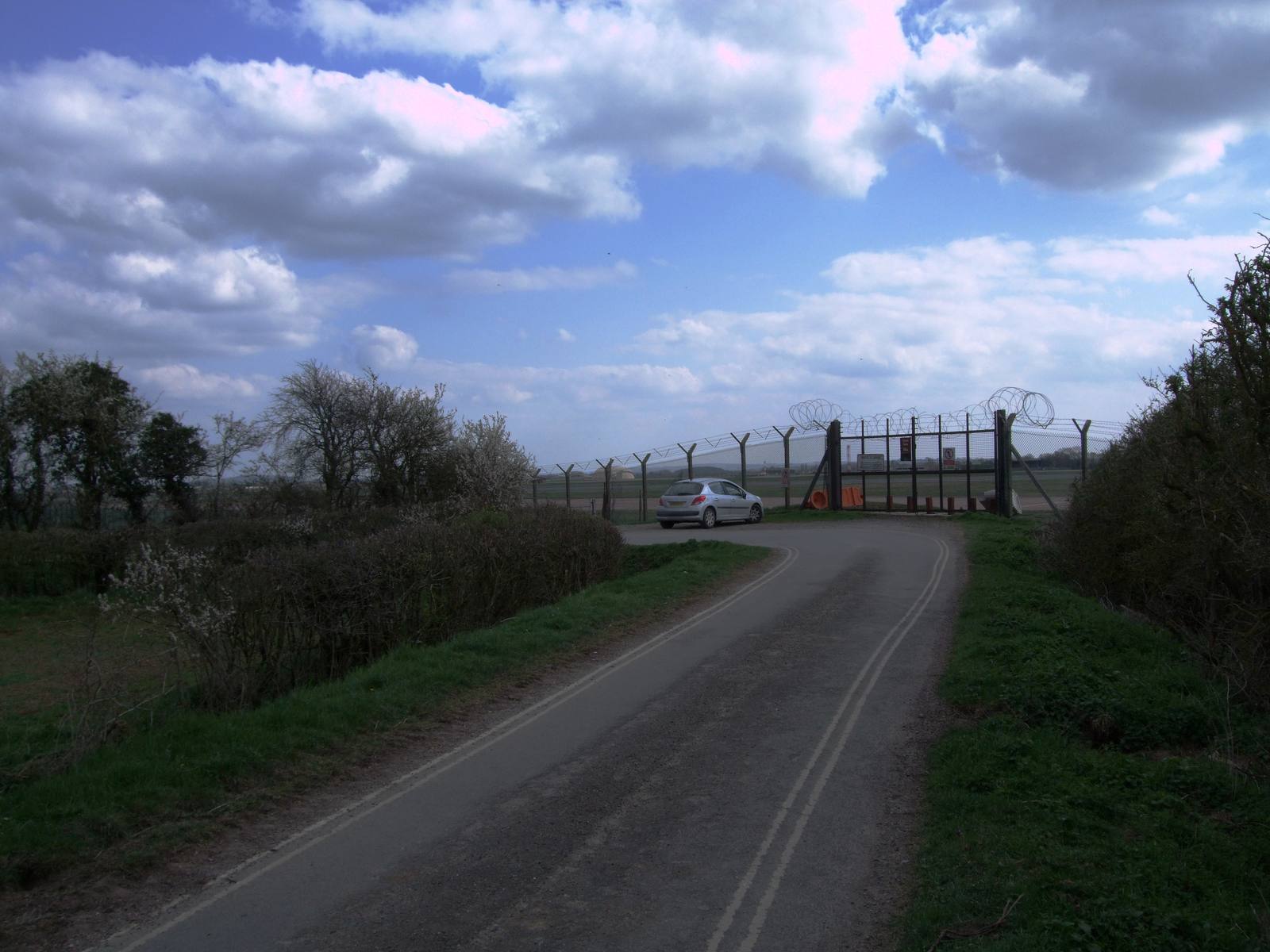
On Iran, McCallum said Tehran continues to use criminal proxies against oppositionists, Iranian media organisations and Israeli sites in Britain, and that Iran-linked operations have led to more than fifty arrests in the UK over the last twelve months. Much of that aggression has been aimed at British Jewish communities, including a spring wave of arson and sabotage incidents. The other major shift this year, he said, was Iranian ambitions to come at harder targets such as military sites. He told reporters he could not discuss the suspected plot against RAF Fairford, which, the Prime Minister said on Monday, Tehran was "highly likely" to have been behind, because live investigations are continuing.
China remains a focus for espionage, coercion and democratic interference, McCallum said. In May, two men were jailed in the first convictions for national security offences connected to China, over an attempt to run a shadow policing operation in the UK, and two weeks ago MI5 issued an espionage alert to the academic community over an institute it said is regularly used by Chinese intelligence.

Terrorism also remains a top concern. The Joint Terrorism Analysis Centre has recently returned the UK terrorism threat level to severe, meaning an attack is highly likely, for the first time in almost five years, with the increase driven in significant part by extreme right-wing terrorism. A few months ago MI5 was investigating a radicalised extreme right-wing 13-year-old in the UK, while a 16-year-old from Inverclyde was recently jailed for ten years for a failed plot against his local Islamic centre.
McCallum said AI is already supercharging the contest between attackers and defenders in cyberspace, and that the misuse case to which he attached greatest weight was its potential to change the stakes on existing or even new bioweapons. MI5 has this year launched an AI Threat Assessment Centre, drawing on expertise from the AI Security Institute, the National Crime Agency and the National Cyber Security Centre, to separate the bluster from the realities.
None to date. The Journal corrects errors promptly and transparently. Read our corrections policy.