The water test
Bills are rising by 36 per cent. The companies have the money they asked for. Now they must earn it.
There is a moment in every regulated industry when the excuses run out. For England's water companies, it arrived with Ofwat's final price settlement: 104 billion pounds of investment, bills rising by an average of 31 pounds a year, and a set of targets the companies themselves agreed were necessary.
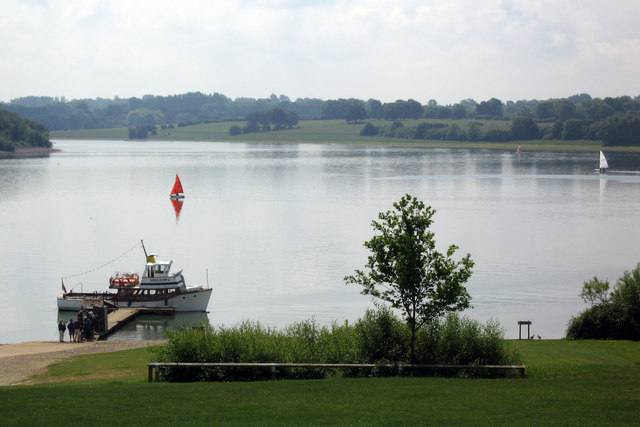
The industry asked for more and got less than it wanted but more than the regulator first proposed. Thames Water, which wanted a 53 per cent rise, was allowed 35. The settlement is, by any measure, generous: a quadrupling of enhancement spending, nine new reservoirs, a 45 per cent cut in storm overflow spills by 2030.
What the companies cannot now say is that they lacked the money. The claw-back mechanism means unspent investment must be returned to customers. The fines, 18.2 million pounds for Thames Water's dividends alone, show the regulator is willing to use its teeth.

The only justification for it is delivery.Daily Herald
The Consumer Council for Water warns that bills will rise 53 per cent after inflation by 2030 and that two in five customers already found the increases unaffordable. That is the political context in which every future pollution incident will now be judged: customers are paying for improvement, and they will expect to see it.
This newspaper's view is simple. The settlement is fair to the companies and hard on households. The only justification for it is delivery: cleaner rivers, fewer spills, secure supplies, and an end to the era when dividends flowed and investment did not. If the companies fail this test, the argument for a different ownership model will become unanswerable.
None to date. The Journal corrects errors promptly and transparently. Read our corrections policy.